The distinction between “chef” and “home cook” has gotten muddied with all the food content creators and self-proclaimed home chefs flying around the internet. As someone who has worked in professional kitchens and now cooks primarily at home, I learned everything there is to know about where the line actually falls. Today, I will share it all with you.

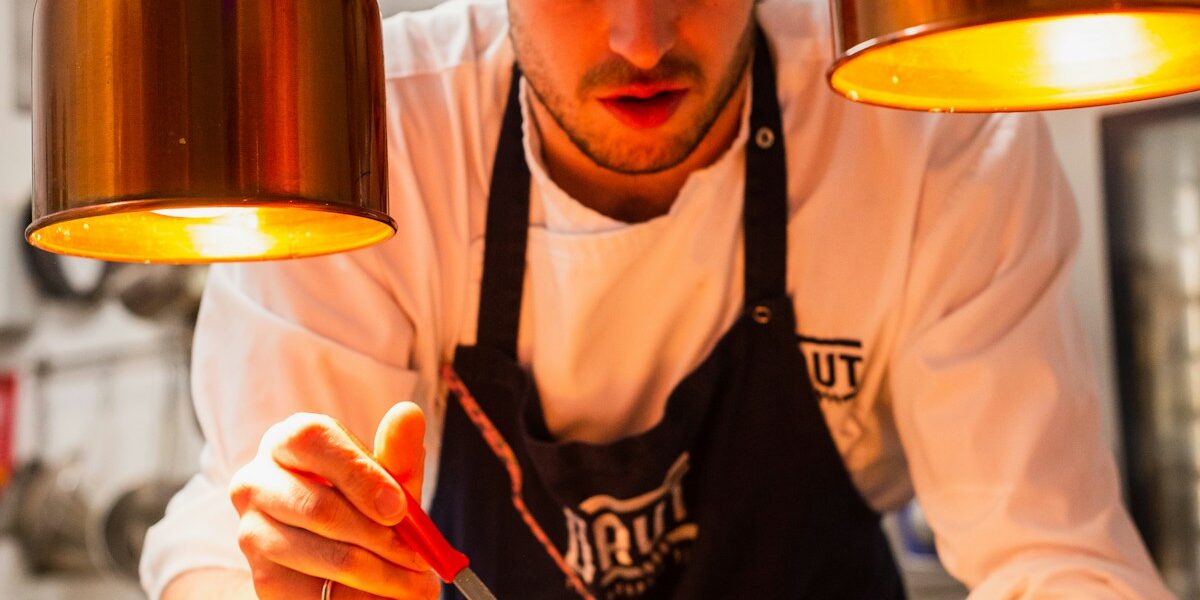
Probably should have led with this section, honestly: “chef” comes from the French “chef de cuisine”—chief of the kitchen. A chef is someone with formal culinary training who works professionally in a kitchen setting. They’ve learned specific skills through culinary school and years of experience in professional kitchens. Beyond the actual cooking, chefs manage kitchen staff, plan menus, source ingredients, and maintain the quality and presentation standards a restaurant requires. It’s a management role as much as a cooking one.
A home cook, by contrast, is anyone who prepares meals at home regardless of training or expertise. No formal education required—just a willingness to make food. Home cooking follows personal taste, family traditions, and cultural heritage rather than restaurant standards or commercial expectations. You’re cooking for family and friends, not paying customers with set expectations.
Training creates the clearest distinction. Chefs attend culinary schools where they study technique, kitchen management, food safety, and nutrition in depth. This education prepares them for high-pressure professional environments where they need to satisfy diverse audiences with consistent quality night after night. Home cooks might learn from family recipes, cookbooks, YouTube tutorials, or pure trial and error—and that’s completely legitimate for what they’re doing.
That’s what makes professional chefs distinct from us home cooks—they’ve refined techniques across multiple cuisines throughout their careers and continue developing professionally. They can execute complex recipes and create innovative dishes because they’ve been trained to do exactly that. Home cooks tend toward intuition and adaptation, changing recipes to suit preferences and available ingredients rather than pursuing technical innovation or restaurant-quality presentation.
The work environment differs completely. Chefs operate in fast-paced settings requiring split-second decisions, precise timing during busy service hours, and coordination of an entire team. They need to deliver dozens of plates simultaneously, all meeting the same standard. Home cooking offers more flexibility—no service rush, no team to manage, no customers waiting. You can take your time, make adjustments on the fly, and tailor everything to a small group’s preferences.
The lines do blur occasionally. A talented home cook might gain enough following or skill to pursue formal training and transition into professional cooking. Professional chefs often bring their extensive expertise into their home kitchens, using restaurant techniques to elevate family meals. But fundamentally, these terms describe different roles with different demands.
Both matter in food culture. Chefs push culinary innovation and maintain professional standards that define how we experience food in restaurants. Home cooks preserve family traditions and feed the people they care about with a kind of attention restaurants can’t replicate. Whether in a commercial kitchen or your own, cooking creates genuine value—just different kinds of it.



Leave a Reply