Essential culinary techniques have gotten complicated with all the fancy restaurant methods flying around social media. As someone who taught myself to cook from absolute zero, I learned everything there is to know about which techniques actually matter for home cooking. Today, I will share it all with you.
That’s what makes these five skills valuable to us home cooks—they transfer to almost every dish you’ll ever make. Master these and you’ve got the foundation for hundreds of recipes.
1. Proper Knife Work
Probably should have led with this section, honestly. Knife skills affect everything. Start with onions since they show up everywhere. Learn the basic grip—curl your fingers under like a claw, knife moves against your knuckles. Practice until it feels natural. Speed comes later; control comes first. Good knife work makes prep faster and cooking more enjoyable because you’re not fighting ingredients the whole time.
2. Understanding Heat and Boiling
Boiling looks simple but timing matters more than people realize. Pasta cooked one minute too long turns mushy. Vegetables blanched correctly stay vibrant and crisp. Learn to recognize a true boil versus a simmer. Watch your pot—set timers until the rhythms become automatic. Temperature control separates decent cooking from frustrating results.
3. Sautéing Basics
High heat, small amount of oil, constant movement. Sautéing makes vegetables taste better and gives meat that golden-brown exterior everyone loves. Start with garlic—it teaches you about heat because it burns fast if you’re not paying attention. Once you can sauté garlic without scorching it, you understand the technique well enough to apply it widely.
4. Building Sauces
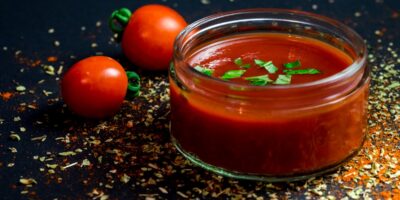
A good sauce transforms basic ingredients into actual meals. Start with a simple tomato sauce or gravy—they’re forgiving while you learn. Pay attention to how flavors develop with time and heat. Once the basics click, branch out to things like pan sauces made from fond (those brown bits left after sautéing). Sauces are where home cooking can match or beat restaurant quality.
5. Oven Awareness
Baking isn’t just for desserts. Roasted vegetables, sheet pan dinners, perfectly cooked chicken—all depend on understanding your oven. Learn that ovens run hot or cold and adjust accordingly. Understand why placement matters (bottom rack browns differently than top). Temperature and timing precision separates great results from dry chicken and burned edges.
These techniques build on each other. Learn them in order, practice regularly, and cooking stops feeling like following instructions and starts feeling like actual skill. The kitchen becomes a place where you can create rather than just execute.