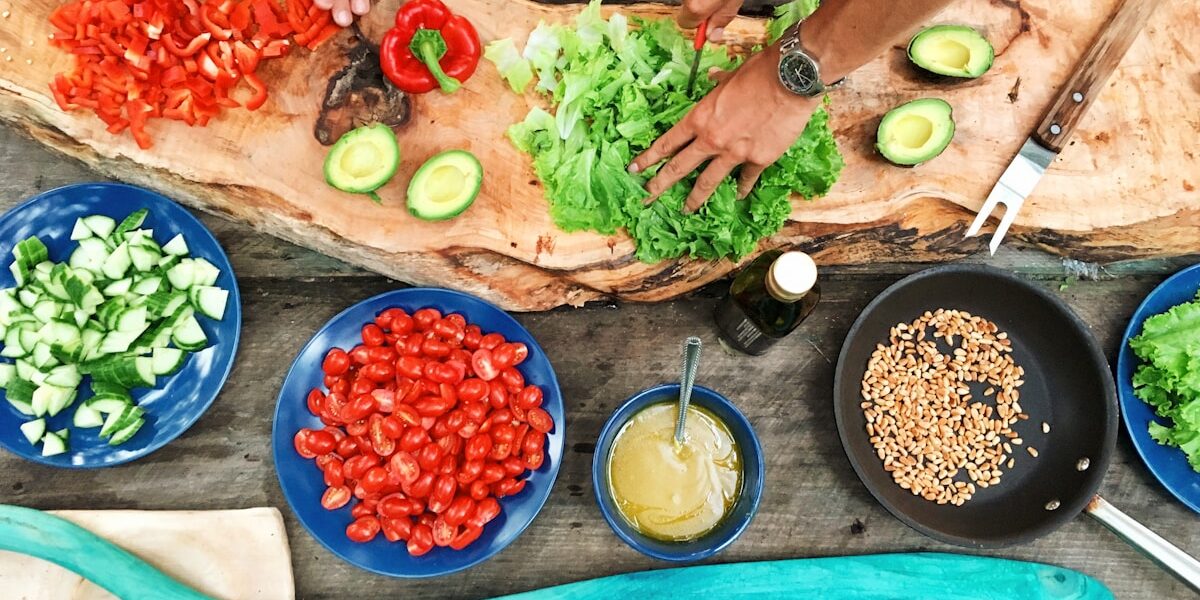
Learning to cook at home has changed with all the gear recommendations and chef techniques flying around online.
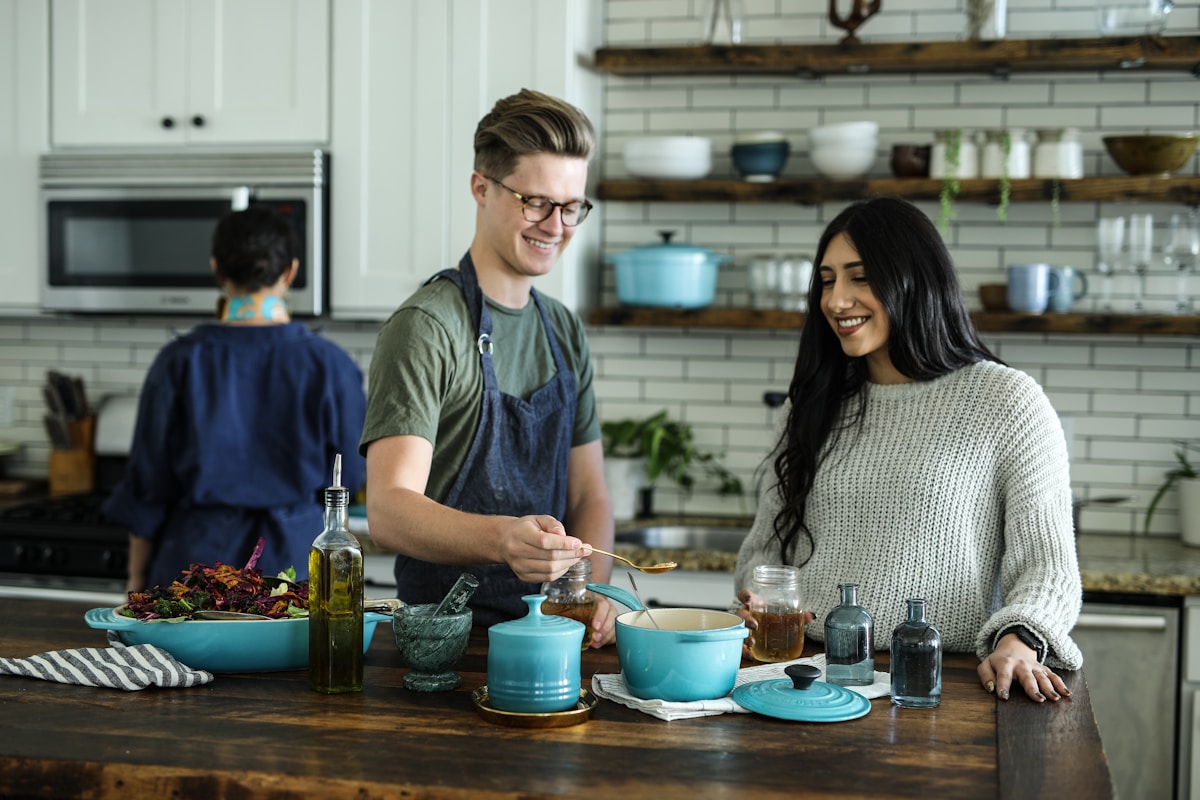
Setting Up Your Kitchen
You can’t cook without the basics, but you also don’t need to spend a fortune. Here’s what actually matters:
– Knives: A decent chef’s knife and a small paring knife. That’s it. Don’t buy a 20-piece knife block.
– Cutting Board: One large board in wood or plastic. I prefer wood—it’s easier on your knives.
– Pots and Pans: A 10-inch skillet, a medium saucepan, and a large pot covers 95% of what you’ll cook.
– Measuring Cups and Spoons: You’ll need these until you learn to eyeball things (which takes longer than people admit).
– Mixing Bowls: A set of three nested bowls handles everything from prep to serving.
– Utensils: Spatulas, wooden spoons, and a pair of tongs. Skip the single-purpose gadgets.
– Appliances: A blender is useful. Everything else can wait until you know you’ll use it.
Keep your setup organized. Cooking is ten times harder when you’re searching for your spatula mid-sauté.
The Techniques That Actually Matter
That’s what makes home cooking—you only need to learn a handful of methods to make most dishes. Here’s where to start:
– Boiling: Pasta, vegetables, eggs. Hard to mess up once you learn timing.
– Sautéing: Hot pan, some oil, quick cooking. This is how you make weeknight dinners fast.
– Baking: Set your oven, put food in, wait. More forgiving than stovetop cooking.
– Roasting: Higher heat baking that makes vegetables and meats taste way better through caramelization.
Planning Your Meals
I resisted meal planning for years and regretted it. Planning a few days ahead means less food waste, fewer expensive takeout orders, and no staring into the fridge at 7pm wondering what to make. Start simple—pick three or four recipes for the week, make a grocery list, and actually stick to it.
Shopping Smart
When you’re at the store:
– Buy fresh when you can: Fresh vegetables and meats taste better and usually cost less per meal than prepared foods.
– Read labels: Especially on packaged stuff. You’d be surprised what’s hiding in there.
– Go seasonal and local: In-season produce costs less and tastes better. Farmer’s markets are underrated.
Start Simple
Your first recipes should be forgiving. Scrambled eggs, basic stir-fries, simple soups, and salads are where everyone should begin. These teach you timing, heat control, and how your specific stove behaves—all without risking an expensive cut of meat.
Safety and Cleanliness
Wash your hands before and after handling food. Keep surfaces clean. Store ingredients at proper temperatures. Use separate cutting boards for raw meat and vegetables—cross-contamination is how people get food poisoning at home.
Keep Learning
Once you’ve got the basics down, start experimenting. Watch cooking shows for technique, not just entertainment. Read a cookbook cover to cover. Follow food blogs from home cooks, not just restaurant chefs. Cooking improves through doing, failing, and doing again.
Enjoy the Process
Home cooking isn’t just about putting food on the table. It’s a creative outlet, a way to decompress after work, and a skill that pays you back in better health and lower food bills. Don’t rush it. The goal isn’t to cook like a professional—it’s to feed yourself well and maybe enjoy the process along the way.
Start with these basics and cooking at home becomes routine instead of stressful. Give it a few months and you’ll wonder why you ever relied so heavily on takeout.


Leave a Reply