Home Cooking Made Easy
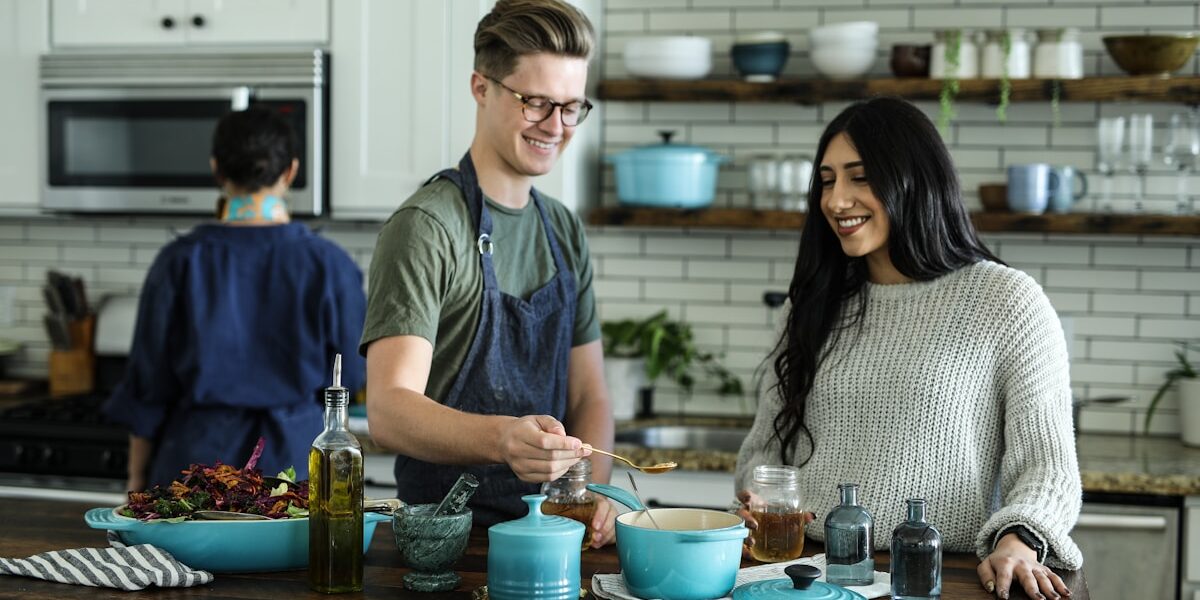
Home cooking has gotten a reputation for being more complicated than it needs to be. Today, I’ll share what actually stuck for me— the stuff that made cooking feel doable rather than like homework.
That’s what makes home cooking endearing to those of us who keep at it— once you figure out the rhythm, the whole thing stops being a chore and starts being genuinely satisfying.
Plan Before You Cook
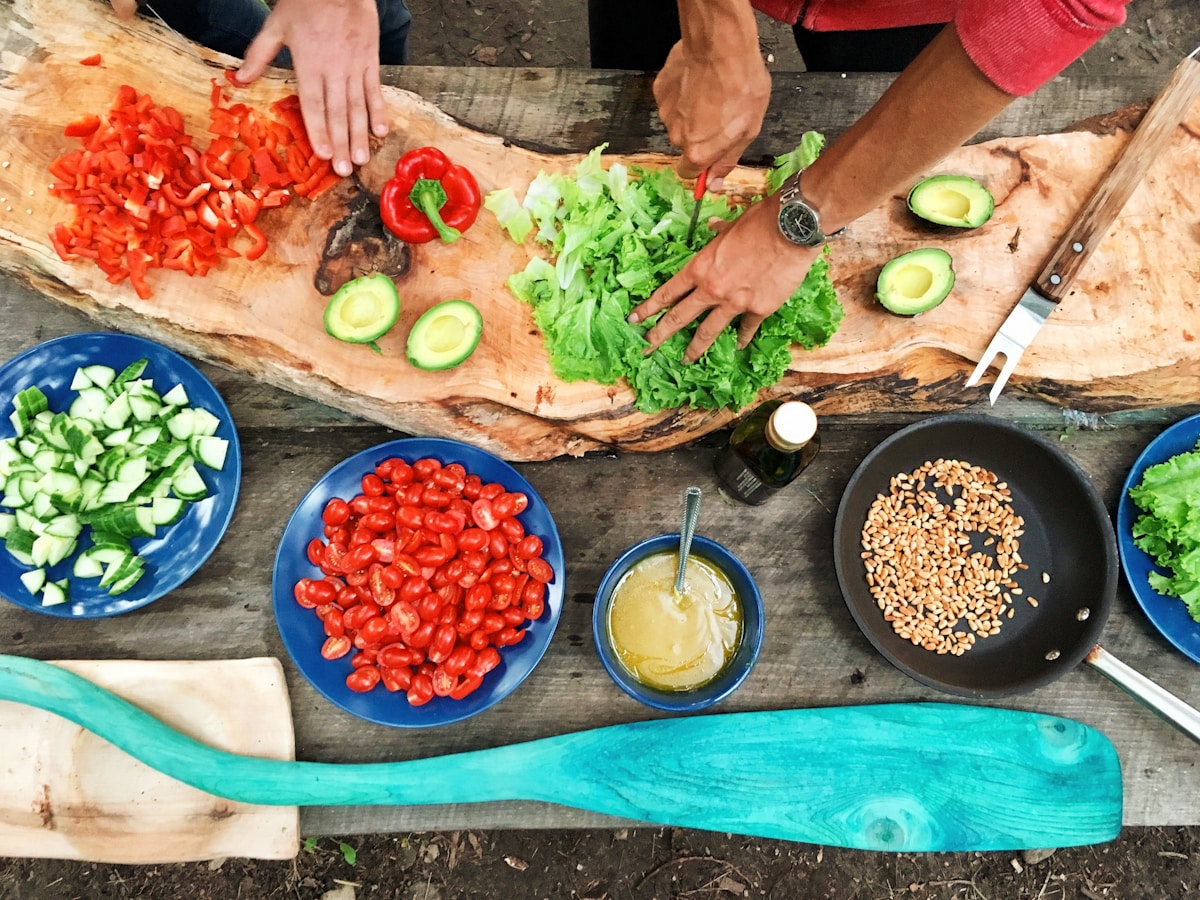
Meal planning saves more stress than any single technique I’ve learned. Start by listing the meals you want to cook for the week, then check your pantry to avoid buying things you already have. Knowing what you’ll cook each day removes the daily “what’s for dinner” spiral that somehow takes 20 minutes and still doesn’t produce a decision.
Factor in your household’s preferences and restrictions. A balance of proteins, vegetables, and grains throughout the week makes things both easier to shop for and more interesting to eat.
Stock Your Pantry
A well-stocked pantry is the backbone of efficient home cooking. Keep essentials like rice, pasta, canned beans, and tomatoes on hand. Spices matter more than people realize— at minimum, salt, pepper, garlic powder, paprika, and oregano will take you very far.
Invest in quality oils and a couple of vinegars. Olive oil is indispensable, but sesame and vegetable oils each do things olive oil doesn’t. For vinegars, apple cider and balsamic provide enough range for almost everything you’d need.
Invest in Essential Kitchen Tools
Good tools make cooking easier and more enjoyable, and you don’t need many of them. A sharp chef’s knife is indispensable. A sturdy cutting board, measuring cups and spoons, mixing bowls, and a basic set of pots and pans covers most of what you’ll ever do.
For easier cleanup, non-stick or ceramic pans are worth it. A slow cooker or pressure cooker changes the math on hands-off cooking dramatically. A blender or food processor earns its counter space in soups, sauces, and smoothies.
Learn Basic Cooking Techniques
Mastering a few core techniques opens up more than any specific recipe can. Start by learning how to properly chop vegetables— even slightly better knife skills make the whole cooking process faster. Sautéing, roasting, boiling, and simmering are basic methods that apply to an enormous range of dishes.
Practice simple things like scrambled eggs, pasta, and stir-fried vegetables until they feel automatic. Understanding how heat affects different ingredients builds intuition that no recipe can give you.
Experiment with One-Pot Meals
One-pot meals simplify both cooking and cleanup. Stews, casseroles, and pasta bakes require minimal preparation and result in hearty, satisfying meals where the ingredients have time to develop flavor together. I made my first one-pot soup because I was too tired to do anything complicated, and I’ve been making variations of it ever since.
Seasonal vegetables combined with rice, beans, or pasta make these meals both convenient and nutritious. It’s the approach that emphasizes getting something good on the table without making a production of it.
Embrace Leftovers
Leftovers save time and reduce waste. When cooking, it costs almost nothing extra to make larger batches. Store leftovers in airtight containers and label them— this sounds pedantic until you open the fridge to find three unmarked containers and no memory of when any of them were made.
Use leftovers with some creativity. Roasted vegetables transform into soups or frittatas. Grains bulk up salads or serve as the base for bowls. The goal is treating leftovers as ingredients rather than obligations.
Make Use of Your Freezer
The freezer is an underused ally in home cooking. Freeze portions of soups, stews, and casseroles for future use. Ice cube trays work perfectly for freezing small portions of sauces or pesto— this feels fussy until the first time you pop out a cube of homemade basil sauce in February.
Freezing pre-chopped vegetables or fruits speeds up prep. Cooking in bulk and freezing helps on days when time is limited— thaw what you need, heat it, and you have a home-cooked meal with minimal effort.
Season Well
Proper seasoning is probably the skill with the highest return for the lowest effort. Salt enhances taste in ways that nothing else replicates. Don’t be afraid to taste as you go and adjust. Fresh herbs like basil, cilantro, and parsley brighten dishes. Dried herbs and spices add depth that builds over cooking time.
A splash of acid— lemon juice or vinegar— can elevate a dish by balancing rich flavors in a way that more salt won’t. Experiment with seasoning blends like Italian seasoning, curry powder, or chili powder to add variety without requiring a full pantry of individual spices.
Practice Makes Perfect
Be patient with yourself. Like any skill, cooking improves with practice, and the learning curve is shorter than people expect. Start with simple recipes and gradually take on more complex dishes. Mistakes are part of the process— they provide more useful information than any tip article can.
Cook regularly enough to build muscle memory. Over time, you’ll develop a repertoire of meals you can cook without looking at a recipe, and that’s when cooking stops feeling like effort.
Use Online Resources
The internet has an enormous amount of good cooking information, and most of it is free. Websites, blogs, and YouTube channels offer step-by-step guidance at every skill level. Video is particularly useful for techniques like knife skills and pastry work where seeing the motion matters.
Read reviews before trying new recipes— the comment sections on cooking sites often contain fixes that make the original recipe significantly better. Online cooking communities are also a good place to ask specific questions when something goes wrong.
Understand Nutritional Basics
Having a basic grasp of nutrition helps in planning meals that actually sustain you. Aim to include a variety of macronutrients across your meals: proteins, fats, and carbohydrates. Incorporate fiber-rich foods— vegetables, fruits, and whole grains— consistently rather than treating them as a side consideration.
Be mindful of portion sizes and limit processed ingredients. Cooking at home gives you control over what goes into your meals that no restaurant or packaged food can match.
Simplify Cleanup
Efficient cleanup is as important as the cooking itself. Using fewer utensils and cleaning as you go prevents the demoralizing pile of dishes that can make you dread the whole process. Soak pots and pans immediately after use to prevent food from hardening— five minutes of soaking saves twenty minutes of scrubbing.
Dishwasher-safe tools and containers are worth specifically seeking out. Sharing kitchen cleanup with family members makes the whole operation more sustainable.
Get the Family Involved
Cooking can be a shared activity rather than a solo obligation. Assign age-appropriate tasks to kids— washing vegetables, measuring ingredients, stirring things that don’t require heat. Involving them teaches practical life skills and, over time, produces people who can actually feed themselves.
Let family members contribute to meal planning. When everyone has input, you’re more likely to cook things people actually want to eat, which makes the whole exercise feel worthwhile.
Stay Organized
An organized kitchen boosts efficiency in ways that are hard to overstate. Regularly declutter and clean your cooking space. Keep frequently used items within easy reach and store rarely used tools where they won’t create clutter.
Label pantry items and group similar products together. Good organization means you spend less time searching for things and more time actually cooking.
Invest in Quality Ingredients
Quality ingredients improve your dishes more reliably than any technique. Whenever possible, choose fresh, seasonal produce— it tastes better and offers more nutrition than out-of-season equivalents. Local farmers’ markets often have produce that beats supermarket quality at comparable or lower prices.
Small upgrades in ingredient quality produce noticeable improvements. You don’t need to buy everything premium, but being selective about a few key items pays off consistently.
Balance Time and Effort
Not every meal needs to be elaborate. Quick and simple recipes can be just as satisfying, and on busy days they’re the only realistic option. Save more involved recipes for weekends or when you genuinely have the time to enjoy the process.
Salads, sandwiches, and stir-fries are valid weekday dinners. The goal is to feed yourself and your family well, not to produce something photogenic every night.
Embrace Different Cuisines
Experimenting with different cuisines introduces new flavors and techniques that improve your overall cooking. Start with simple recipes from different cultures— Thai stir-fries, Mexican rice dishes, Italian pasta variations. Each one teaches you something that applies more broadly.
The variety also keeps cooking interesting. Eating the same rotation of meals every week is one of the main reasons people stop wanting to cook at home.
Understand Food Safety
Food safety is non-negotiable. Wash your hands before handling food. Keep raw and cooked foods separate to avoid cross-contamination. Use separate cutting boards for meats and vegetables— this is one of those things that sounds obvious but is easy to skip when you’re tired.
Store food at appropriate temperatures, refrigerate leftovers promptly, and reheat them to safe temperatures. Proper food handling ensures your meals are both safe and healthy.
Keep Learning
Cooking is an ongoing skill. Stay curious and willing to try new things— cookbooks, food blogs, and cooking classes all offer different perspectives. The more techniques you understand, the more flexibility you have in the kitchen, and the more you can deviate from recipes with confidence.
Create a Pleasant Environment
A pleasant environment makes cooking more enjoyable. Keep your kitchen clean and well-lit. Play music or a podcast while cooking to make the time feel rewarding rather than just functional. Cooking can be genuinely meditative when you’re not rushing through it— the physical, repetitive work of chopping and stirring has a particular value that most other activities don’t offer.
Recommended Coffee Gear
Baratza Encore Conical Burr Grinder – $169.00
The gold standard entry-level burr grinder.
Hario V60 Ceramic Dripper – $25.00
Pour-over perfection for specialty coffee lovers.
As an Amazon Associate, we earn from qualifying purchases.




Stay in the loop
Get the latest home cuisine delights updates delivered to your inbox.