
Simple Home Cooking Tips
Why Home Cooking Doesn’t Have to Be Hard

Home cooking has gotten complicated with all the food trends and influencer recipes flying around. As someone who’s spent years feeding a family on a budget (and burning more than a few dinners along the way), I learned everything there is to know about making solid meals without losing my mind. Today, I will share it all with you.
Look, I get it. Opening up a delivery app is way easier than pulling out a cutting board. But once you build a few habits, cooking at home becomes second nature — and honestly, it starts to feel pretty good when you nail a dish your family fights over.
Meal Planning Saves Your Sanity
I didn’t always plan my meals. For years I’d wander through the grocery store, grab whatever looked decent, and then stare at the fridge on Tuesday wondering what dinner was supposed to be. Huge waste of money and time.
Now I sit down on Sunday morning with my coffee and sketch out the week. Nothing fancy — just a rough list of what we’re eating each night. I build the shopping list from that, and suddenly I’m not buying random ingredients that rot in the crisper drawer. Portion control happens naturally too, because you’re cooking for a purpose instead of just winging it.
Prep Ingredients Before You Need Them
This one changed the game for me. When I get home from the store, I spend maybe 20 minutes washing and chopping vegetables. Carrots, onions, bell peppers — all go into containers in the fridge. When it’s time to cook on a Wednesday night and I’m exhausted, half the work’s already done.
Same goes for marinating meats. Throw chicken thighs in a zip-lock bag with some marinade the night before. By dinner time, the flavor’s soaked right through and cooking time drops. These small steps compound in a big way.
Get Familiar With Your Kitchen Tools
Probably should have led with this section, honestly. You don’t need a kitchen full of gadgets, but you should actually know what your tools do. I used the wrong knife for years — trying to dice onions with a serrated bread knife, if you can believe that.
A decent chef’s knife, a cast-iron skillet for searing, and a non-stick pan for eggs and fish will cover about 90% of what you need. Invest in quality over quantity. A $40 knife that you sharpen regularly beats a $200 knife block full of stuff you never touch.
Master the Basics First
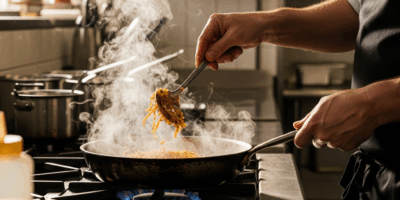
I know it’s tempting to jump straight into some elaborate recipe you saw online. Don’t. Learn to chop an onion properly first. Figure out how to saute vegetables so they’re tender-crisp instead of mushy. Practice browning meat for stews until you get that deep, caramelized crust.
These foundational techniques show up in almost every recipe. Once they’re muscle memory, you can tackle the fancy stuff with confidence. I promise the learning curve is shorter than you think.
Season Along the Way
Here’s a mistake I see all the time: people cook an entire dish and then try to fix the seasoning at the end. Doesn’t work that way. You’ve gotta build flavor in layers. Salt your onions when they hit the pan. Add pepper to your meat before it sears. Taste as you go.
Fresh herbs are incredible for finishing lighter dishes — torn basil on pasta, chopped cilantro on tacos. Dried herbs and spices do better when they cook into the dish for a while. Knowing when to use which makes a bigger difference than you’d expect.
One-Pot Meals Are Your Friend
When I started cooking, I’d use every pot and pan in the kitchen for a single meal. The cleanup alone made me want to quit. Then I discovered one-pot cooking, and it was a revelation.
Soups, stews, chili, casseroles — they all come together in a single vessel, the flavors meld beautifully, and you’ve got one thing to wash at the end. Start simple. A basic chicken soup or beef stew will teach you a lot about building flavor without the chaos.
Cook Grains Like a Pro
Rice, quinoa, barley — they’re cheap, versatile, and filling. The key is following the water-to-grain ratio on the package (it’s there for a reason) and resisting the urge to stir constantly. Let the grain do its thing, then fluff with a fork when it’s done.
I keep cooked grains in the fridge all week. They become the base for grain bowls, get tossed into soups, or work as a quick side dish. Having them ready to go cuts dinner prep in half some nights.
Leftovers Are a Feature, Not a Bug
I intentionally cook more than we need. Sunday’s roast chicken becomes Monday’s chicken salad sandwiches. Leftover roasted vegetables get folded into omelets for breakfast. That extra rice? Fried rice for lunch.
Store leftovers in clear containers so you actually see them (out of sight, out of mind is real). Most stuff keeps 3-4 days in the fridge. This approach stretches your grocery budget further than almost anything else.
Experiment Without Fear
That’s what makes home cooking endearing to us everyday cooks — there are no rules. Swap ingredients, try a different spice, make a recipe your own. Some of my best dishes came from running out of an ingredient and improvising.
Try a new cuisine every few weeks. Thai one week, Mexican the next. You’ll build a wider flavor vocabulary and keep things from getting stale. The worst that happens is a mediocre dinner, and there’s always toast.
Keep Your Kitchen Tidy
A cluttered kitchen makes cooking miserable. I keep my most-used stuff — olive oil, salt, pepper, spatulas — within arm’s reach of the stove. Everything else gets organized so I can find it without digging through cabinets.
Clean as you cook. While something simmers, wash the cutting board. Wipe the counter between steps. By the time dinner’s on the table, you’re not staring at a disaster zone. It makes the whole experience way more enjoyable.
Nail Your Cooking Temperatures
Undercooked chicken is dangerous. Overcooked steak is sad. A meat thermometer costs maybe $15 and takes the guesswork out entirely. I use mine almost every time I cook protein.
Also worth understanding the difference between baking, roasting, and broiling. They all use oven heat but in different ways. Roasting at high heat caramelizes. Broiling chars from above. Baking is gentler and more even. Knowing which to use and when levels up your cooking overnight.
Time Management in the Kitchen
This is where the real efficiency comes in. Start with whatever takes longest — if rice takes 20 minutes, get it going first, then prep your stir-fry ingredients while it cooks. Set timers on your phone so nothing burns while you’re chopping.
After a while, you develop a feel for timing. You stop needing timers for everything and just know when to flip the chicken or pull the bread out. It’s a skill, and it grows with practice.
Fresh Ingredients Make the Difference
Seasonal produce tastes better and costs less. Tomatoes in July are a completely different food from tomatoes in January. Hit up a farmers market if you can — you’ll taste the difference immediately.
That said, don’t stress about it. Frozen vegetables are picked at peak ripeness and work great in most recipes. Canned tomatoes are often better than out-of-season fresh ones. Use what’s available and what fits your budget.
Keep At It
I’ve been cooking for over a decade and I still mess things up sometimes. Burned a pot of rice just last week, actually. The difference is I don’t panic about it anymore. Every failed dish teaches you something.
Cook often, try new things, and don’t compare yourself to people on social media. They have professional lighting and ten takes. You’ve got a hungry family and 30 minutes. That’s real cooking, and you’re going to get really good at it.
Recommended Coffee Gear
Baratza Encore Conical Burr Grinder – $169.00
The gold standard entry-level burr grinder.
Hario V60 Ceramic Dripper – $25.00
Pour-over perfection for specialty coffee lovers.
As an Amazon Associate, we earn from qualifying purchases.


Stay in the loop
Get the latest home cuisine delights updates delivered to your inbox.