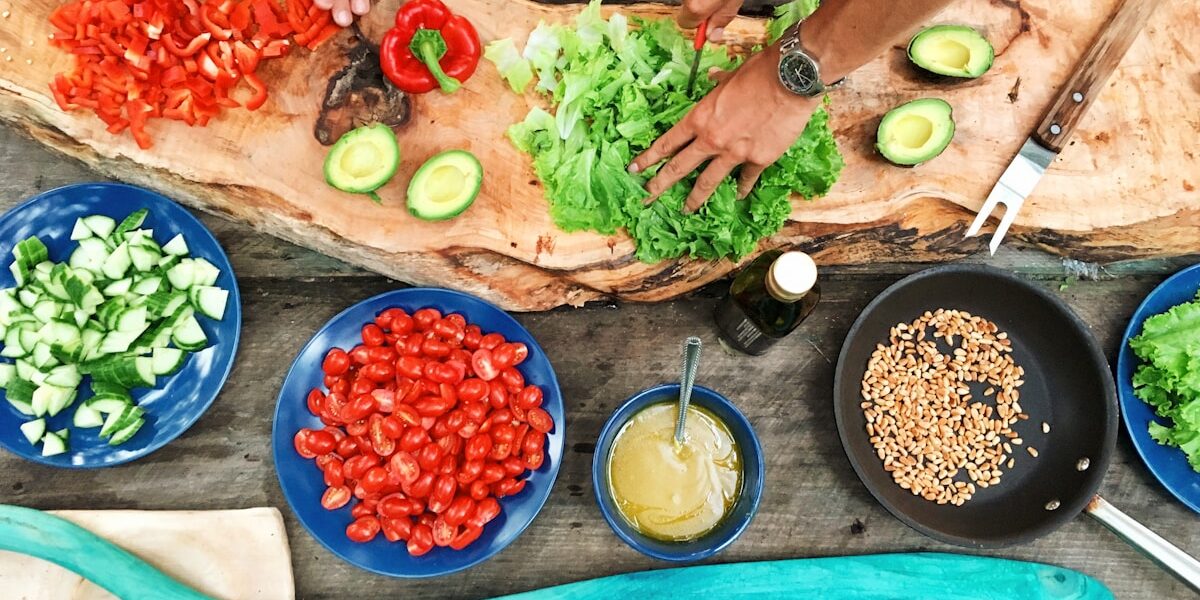
The importance of cooking at home has gotten lost in all the food delivery apps and meal kit subscriptions flying around promising to solve your food problems without any effort. As someone who has tracked the difference home cooking makes in health, budget, and family dynamics over years of personal experience, I learned everything there is to know about why it matters more than convenience culture suggests. Today, I will share it all with you.

The Health Argument
Probably should have led with this section, honestly. When you cook at home, you control ingredients and methods completely. Homemade meals contain fewer processed ingredients, less sodium, less sugar, and less fat than restaurant food or packaged options. This control translates directly to better health outcomes—sustainable weight management, reduced chronic disease risk, and better daily energy levels that don’t crash after meals. Beyond ingredient control, cooking at home gives you power over portion sizes. Restaurant servings are designed to feel generous and justify prices, not to match nutritional guidelines or what your body needs. Your own portions can reflect actual hunger and dietary goals.
Understanding nutrition improves naturally when you cook regularly without requiring formal study. Making decisions about ingredients forces you to learn what’s in your food and why certain choices matter. This knowledge compounds over time, leading to progressively better dietary choices that become automatic rather than requiring constant willpower.
The Money Math
That’s what makes home cooking practical for us budget-conscious people—the economics work out dramatically in your favor once you run the numbers honestly. Restaurant meals and pre-made food carry significant markup for labor, overhead, and profit that simply disappear when you buy ingredients instead. Basic ingredients cost a fraction of prepared meals. Cooking in bulk, using leftovers intentionally, and building meals around grocery sales extends the savings further. For families especially, the gap between eating out regularly and cooking at home adds up to thousands of dollars in annual savings that can go toward other priorities.
Social and Emotional Benefits
Cooking together builds relationships in ways that ordering food simply doesn’t replicate. The shared activity creates natural conversation space and teaches skills across generations. Sitting down to eat a meal someone in your household prepared carries different emotional weight than unpacking takeout containers while everyone stares at phones. Family dynamics genuinely improve when the kitchen becomes a gathering place rather than just a room where appliances happen to live.
For individuals living alone, cooking serves as creative outlet and stress relief that other activities can’t quite match. The focus required pushes aside anxious thoughts and work concerns temporarily. The accomplishment of creating something nourishing from raw ingredients builds genuine satisfaction that hits differently than passive consumption. These mental health benefits rarely appear in articles about food choices but they’re real, documented, and measurable in studies.
The Practical Reality
Modern life creates genuine barriers to cooking that dismissing helps no one. Time pressure is real—demanding jobs leave people exhausted. Energy after work is legitimately limited. Single-person households lack economy of scale. None of this means home cooking is impossible—but it means the approach needs to match actual circumstances rather than some ideal version of domestic life. Batch cooking on weekends, genuinely simple weeknight recipes, realistic expectations about complexity—these adaptations make home cooking sustainable for people with demanding schedules and limited energy.
The importance of cooking at home isn’t about culinary perfection or Instagram-worthy elaborate meals. It’s about taking control of what fuels your body, saving money that can go toward other priorities, and creating time and space for connection with people who matter. Start where you actually are, cook what you can reasonably manage, and let the benefits accumulate over months and years.


Leave a Reply