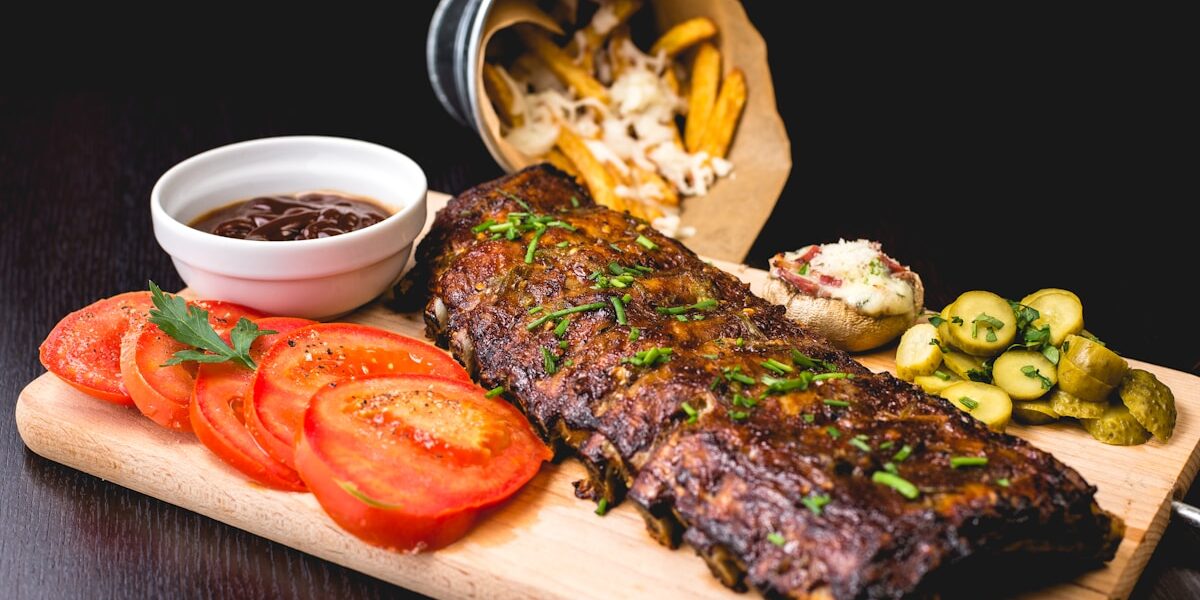
Meal prepping has revolutionized how busy people eat well. By dedicating a few hours once or twice a week to preparing ingredients and complete meals in advance, you can enjoy home-cooked food even on your most hectic days. This comprehensive guide covers everything from planning and shopping to storage and reheating, helping you build a meal prep system that fits your lifestyle.
Why Meal Prep Works: The Benefits Beyond Convenience

The most obvious advantage of meal prepping is time savings during the week. Instead of cooking from scratch every night after work, you simply reheat or assemble pre-prepared components. But the benefits extend much further.
Financial savings are substantial. When you plan meals before shopping, you buy only what you need, reducing waste. Buying ingredients in bulk for batch cooking costs less per serving than multiple smaller purchases. And having ready-made meals at home means fewer expensive takeout orders and restaurant visits.
Health improvements naturally follow. When nutritious meals are ready and waiting, you’re far more likely to eat well than when you’re tired and hungry with nothing prepared. Meal prep puts you in control of ingredients, portions, and cooking methods, making it easier to meet dietary goals.
Stress reduction might be the most underrated benefit. The daily question “what’s for dinner?” disappears. Evenings become more relaxed when cooking duties are already handled. The mental load of food decisions spreads across a single planning session rather than plaguing you throughout the week.
Getting Started: Planning Your Prep Sessions
Successful meal prep begins with thoughtful planning. Start by considering your week ahead: how many meals do you need? How much time do you have for prep? What are your nutritional goals?
For beginners, start small. Prepping just lunches for the workweek is an excellent entry point. As you develop systems and routines, expand to dinners and breakfasts. Trying to prep every meal from day one leads to overwhelm and burnout.
Choose recipes that share ingredients to maximize efficiency. If one recipe uses roasted chicken, make a double batch for multiple dishes. If you’re chopping onions for soup, chop extra for stir-fry later. This ingredient overlap reduces prep time and shopping complexity.
Consider texture and quality after storage. Some foods hold up beautifully for days, while others become soggy or lose appeal. Grains, roasted vegetables, and braised meats are meal prep champions. Delicate salads and crispy fried items are better assembled fresh or prepared just before eating.
Essential Equipment for Efficient Meal Prep
The right tools make meal prep faster and more enjoyable. Invest gradually in equipment that matches your cooking style.
Quality food storage containers are fundamental. Glass containers are microwave-safe, don’t stain, and last for years. Look for various sizes: individual portions for grab-and-go meals, larger containers for batch ingredients. Tight-fitting lids are essential for freshness. Having enough containers means you won’t run short mid-prep.
A good chef’s knife and cutting board speed up vegetable prep dramatically. Consider a mandoline for uniform slices, a food processor for large-batch chopping, and a sharp peeler for speed. Time invested in knife skills pays dividends in every prep session.
Sheet pans are meal prep workhorses. They’re perfect for roasting large batches of vegetables and proteins simultaneously. Having multiple pans allows you to maximize oven space. Line with parchment for easy cleanup.
Slow cookers and Instant Pots excel at hands-off cooking while you tackle other prep tasks. A slow cooker can simmer soup or braise meat for hours while you prep other components. Pressure cookers dramatically reduce cooking time for beans, tough cuts of meat, and whole grains.
Meal Prep Methods: Finding Your Style
Different approaches work for different people and schedules. Understanding the options helps you design a system that fits your life.
Complete meal prep means cooking finished dishes in advance. You portion stir-fries, casseroles, or grain bowls into individual containers ready for reheating. This approach requires the most upfront time but provides maximum convenience during the week. It works best when you’re comfortable eating similar meals multiple days in a row.
Ingredient prep focuses on preparing components rather than complete dishes. You might roast several proteins, cook multiple grains, chop all your vegetables, and prepare sauces—then mix and match throughout the week. This approach offers more variety and flexibility but requires some assembly at mealtime.
Freezer prep extends your reach beyond a single week. Cooking double batches and freezing half means future-you has meals waiting during especially busy weeks. Soups, stews, casseroles, and marinated proteins freeze particularly well.
A hybrid approach often works best. Complete meals for the busiest days, prepped ingredients for nights when you have more time, and a well-stocked freezer for emergencies. Adapt your system based on what the coming week actually looks like.
Breakfast Prep Strategies
Morning meals often get neglected in the rush to work. Prepared breakfast options ensure you start the day right even when time is short.
Overnight oats require no morning effort. Combine oats with milk, yogurt, or a dairy-free alternative the night before. Add chia seeds for extra fiber, sweetener if desired, and refrigerate. In the morning, stir in fresh fruit, nuts, or other toppings. Prepare five jars on Sunday for an entire week of breakfasts.
Egg muffins are protein-packed and portable. Whisk eggs with vegetables, cheese, and seasonings, then bake in a muffin tin. They refrigerate well for about four days and reheat quickly in the microwave. Make a double batch and freeze half for future weeks.
Smoothie prep can happen in advance by pre-portioning ingredients. Measure fruits, greens, and add-ins into individual freezer bags. In the morning, dump a bag into the blender with liquid and blend. The prep takes minutes, and morning smoothies become effortless.
Baked goods like muffins, banana bread, or homemade granola bars can be made on weekends and enjoyed throughout the week. They’re healthier and cheaper than store-bought options and can be customized to your preferences.
Lunch Prep for the Work Week
Bringing lunch to work saves money and improves nutrition, but it requires planning. Having appealing options ready beats the vending machine every time.
Grain bowls are infinitely variable. Start with a base of cooked rice, quinoa, farro, or another grain. Add roasted or raw vegetables, a protein like grilled chicken, chickpeas, or tofu, and a flavorful sauce or dressing. Keep dressing separate until eating to prevent sogginess.
Salads stay fresh when layered properly in mason jars. Dressing goes on the bottom, then sturdy vegetables like carrots and peppers, then grains or proteins, and finally delicate greens on top. When ready to eat, shake or pour into a bowl to combine.
Soups and stews are ideal lunch prep options. They often taste better after a day or two as flavors meld, they’re easy to portion, and they reheat beautifully. Make a big batch on Sunday and enjoy all week. Pair with bread for a satisfying meal.
Wraps and sandwiches require thoughtful assembly to avoid sogginess. Prepare fillings in advance but assemble the morning you’ll eat them. Alternatively, pack components separately and assemble at work.
Dinner Prep: Feeding a Family or Just Yourself
Coming home to a ready meal transforms weeknight dinners from stressful to enjoyable. The key is choosing dishes that hold up well and reheat without losing quality.
Casseroles are classic dinner prep fare. Lasagna, enchiladas, baked pasta, and similar dishes can be assembled in advance and baked when needed. Many freeze well for even longer storage. They’re especially valuable for feeding families since one dish serves multiple people.
Marinated proteins take minimal prep time but maximize flavor. Combine meat or tofu with marinades and refrigerate. When ready to cook, the protein is infused with flavor and just needs a few minutes in the pan or on the grill. Prepare multiple marinades for variety throughout the week.
Batch-cooked proteins serve as the foundation for multiple dinners. Roast a whole chicken on Sunday: serve roasted pieces one night, shred the rest for tacos another night, and use the carcass for stock. Cook a large batch of ground meat with basic seasonings, then customize portions into tacos, pasta sauce, or stir-fry as needed.
Vegetable prep makes healthy side dishes automatic. Pre-cut vegetables stored properly last all week. Roasted vegetables can be prepped in advance: lay on sheet pans, refrigerate covered, then pop in the oven during the week. Salad ingredients can be washed, dried, and stored to make assembly quick.
Food Safety and Storage Guidelines
Safe food handling is non-negotiable in meal prep. Following proper guidelines protects your health and ensures food quality.
Cooling food quickly prevents bacterial growth. Hot foods should reach refrigerator temperature within two hours. Spread foods in shallow containers, use ice baths for soups and stews, and don’t stack hot containers. Never put large quantities of hot food directly in the refrigerator—it raises the overall temperature and can compromise other foods.
Storage duration varies by food type. Most cooked proteins and grains stay fresh for 3-4 days refrigerated. Soups and stews often last 4-5 days. Cut raw vegetables last about a week when stored properly. When in doubt, freeze instead of risking spoilage.
Proper container selection matters for freshness. Airtight containers prevent moisture loss and keep odors from transferring. Glass is preferable for acidic foods like tomato-based sauces, which can react with plastic. Leave adequate headspace when freezing liquids to allow for expansion.
Labeling prevents mystery containers. Mark everything with contents and date prepared. Use a piece of masking tape and a permanent marker. When reheating, oldest items should be used first.
Reheating for Best Results
Proper reheating preserves the quality of your carefully prepared food. Different foods require different approaches.
The microwave is convenient but can create uneven results. Cover food to trap steam, which helps heat evenly. Add a splash of water to grains and pasta to restore moisture. Stop and stir periodically for even heating. Use lower power settings for longer times to prevent rubbery edges with cold centers.
The oven or toaster oven produces better results for many foods. Crispy items like roasted vegetables regain texture when reheated in the oven rather than steamed in the microwave. Cover with foil to prevent drying, then uncover briefly at the end for crispness.
The stovetop works well for soups, stir-fries, and saucy dishes. Add a splash of liquid if needed and heat gently, stirring occasionally. It takes slightly more time than the microwave but often produces superior results.
Some foods are best eaten cold or at room temperature. Grain salads, pasta salads, and many Mediterranean-style dishes don’t require reheating. This saves time and often preserves texture better than heating would.
Building Your Meal Prep Routine
Consistency comes from establishing a routine that works with your schedule. Most people prep on Sundays, but choose whatever day gives you adequate time and energy.
A typical prep session might unfold like this: Start by getting the oven preheating and a pot of water boiling. Put proteins in the oven and grains in the water. While these cook, chop vegetables and prepare sauces or dressings. As items finish, cool and portion them into containers. A focused 2-3 hours can yield an entire week of meals.
Batch tasks for efficiency. Chop all vegetables at once, even for different recipes. Roast all proteins simultaneously if oven space allows. Cook all grains back-to-back while the pot is already dirty. This assembly-line approach dramatically reduces total time.
Clean as you go to avoid ending prep exhausted by a mountain of dishes. When something goes into the oven, wash the prep dishes. While grains simmer, wipe down counters. A clean kitchen makes the whole process more pleasant.
Review and adjust your system regularly. What worked well? What went to waste? Which meals were favorites and which got boring? Your meal prep approach should evolve based on experience.
Common Mistakes to Avoid
Learning from others’ errors shortcuts your path to meal prep success.
Prepping too much food leads to waste and burnout. Start conservatively and increase as you learn your actual consumption. It’s better to need one extra meal than to throw away spoiled food.
Ignoring variety causes meal prep fatigue. Even delicious food becomes tiresome when eaten five days straight. Plan different flavors, cuisines, and textures throughout the week. Use ingredient prep to allow daily variation.
Forgetting snacks leaves gaps in your eating plan. Prep healthy snacks like cut vegetables with hummus, portioned nuts, or energy balls alongside main meals.
Skipping breakfast prep means mornings remain chaotic. Include quick breakfast options in your weekly prep for truly streamlined mornings.
Conclusion: Making Meal Prep Work for You
Meal prep is highly personal. What works brilliantly for one person might not suit another. The key is starting somewhere, learning from experience, and continuously refining your approach. Begin with simple recipes, invest gradually in helpful equipment, and don’t expect perfection immediately. Over time, you’ll develop systems that make healthy eating the easy choice. The investment of a few hours each week pays dividends in better nutrition, lower food costs, reduced stress, and more time for the things that matter most.
Subscribe for Updates
Get the latest articles delivered to your inbox.
We respect your privacy. Unsubscribe anytime.