Kitchen companion guides have gotten complicated with all the subscription services, apps, and gadget recommendations flying around. As someone who has tried dozens of cooking resources over the years—from magazine subscriptions to YouTube channels to actual cookbooks—I learned everything there is to know about what actually helps home cooks improve. Today, I will share it all with you.
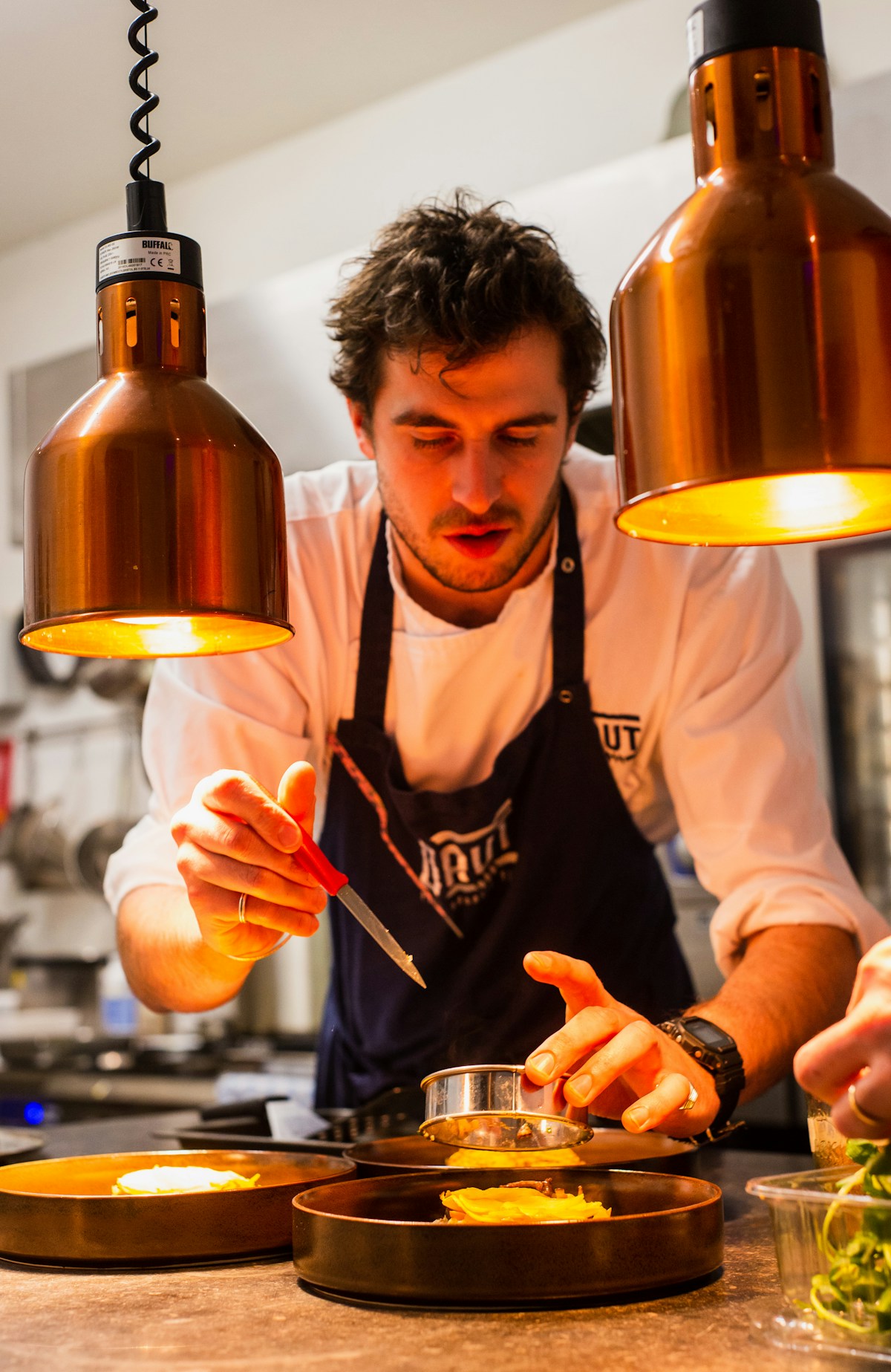
That’s what makes good cooking resources valuable to us home cooks—they break down intimidating techniques into manageable steps. The best ones assume you’re starting from wherever you actually are, not from culinary school foundations. They meet you where you are and help you build from there without making you feel inadequate for not already knowing everything.
Five Reasons Good Kitchen Resources Matter
Probably should have led with this section, honestly. Here’s what separates genuinely useful cooking guidance from the noise that wastes your time and money:
1. Recipes That Actually Work at Home
Restaurant recipes don’t translate directly to home kitchens. Different equipment, different batch sizes, different time constraints, different skill levels. Quality home cooking resources account for these realities from the start. They break down steps anyone can follow without assuming you have professional prep cooks or specialized equipment. When a recipe says “medium heat,” it explains what that looks like in your pan with your stove. When it calls for an ingredient, it suggests substitutions for what you might actually have in your pantry or can find at a regular grocery store.
The best resources also account for the reality that home cooks are often doing other things while cooking—watching kids, answering messages, multitasking in ways professional kitchens don’t allow. Instructions that can handle interruptions without disaster make a real difference.
2. Variety That Keeps Things Interesting
Cooking the same rotation of meals gets boring fast. That’s exactly when takeout starts looking appealing again, and all your good intentions fade away. Good kitchen resources offer genuine range—comfort foods for tired evenings when you need something reliable, international dishes for adventurous weekends when you want to explore, quick lunches for busy days, elaborate dinners for special occasions worth the extra effort.
They cover dietary preferences too: vegetarian options that don’t feel like afterthoughts, lighter fare for health-conscious weeks, indulgent treats for when you need them. Variety sustains the cooking habit long-term because you never run out of new things to try.
3. Tips and Techniques That Transfer
Individual recipes matter less than the skills they build. The best kitchen companions teach transferable techniques alongside specific dishes rather than treating each recipe as an isolated event. Learn proper knife skills once, use them every single time you cook. Master a basic sauce technique, apply it to dozens of variations with different flavors and ingredients. Understanding how heat affects proteins changes every protein dish you make afterward.
These compound skills are the real value proposition of good cooking resources. They turn recipe-following into actual cooking ability that you carry with you permanently.
4. Nutritional Awareness Without Obsession
Home cooking naturally tends healthier than eating out, but understanding what’s actually in your food helps you make intentional choices rather than accidental ones. Resources that include nutritional context—not as restriction or guilt, but as useful information—let you balance indulgence with health goals throughout the week.
You can enjoy a rich dish knowing what trade-offs you’re making, or lighten something up when that makes sense for where you are. Information empowers choices without creating the anxiety that strict diet approaches often bring to food relationships.
5. Cooking as Connection
Food brings people together in ways few other activities match. Kitchen resources that include shared cooking projects—homemade pizza nights, cookie baking sessions, family recipe traditions, holiday meal planning—recognize that cooking isn’t just about feeding yourself efficiently. It’s about creating experiences and memories with the people you care about.
Some of the best meals I remember weren’t technically impressive at all. They were fun to make with others, and that shared experience added something no amount of culinary skill can replicate.
How to Actually Use Cooking Resources
Having a cookbook on your shelf or a subscription you never open doesn’t help anyone. Here’s how to get real value from kitchen resources rather than just collecting them:
Pick one new recipe this week. Not five ambitious dishes. One manageable recipe. Complete it, learn from it, then move on. Trying to revolutionize your entire cooking repertoire overnight leads to burnout and forgotten subscriptions gathering digital dust.
Read technique sections, not just recipes. The explanations between recipes often contain the most valuable information. Understanding why something works matters more than following steps blindly, because that understanding applies to situations the original recipe never anticipated.
Build a personal collection of wins. When a recipe works well for your household—when people ask for it again—save it somewhere accessible. Over time, you’ll develop a personalized rotation that reflects your actual life and preferences, not some idealized version of home cooking.
Don’t skip the basics. It’s tempting to jump straight to impressive dishes that look good on social media. But fundamental skills make everything else easier. Spending time on proper technique early pays dividends for years of cooking ahead.
Common Questions About Kitchen Resources
How do I choose the right cooking resources?
Start with your actual cooking level and what you genuinely want to learn. Free content online works well for basics and exploring new cuisines before committing. Invest in quality resources once you know what style of cooking genuinely interests you enough to develop further. Reviews from home cooks—not professional chefs—give better guidance since they face the same constraints and realities you do. A resource that works beautifully in a restaurant kitchen may not translate to a home kitchen with limited time, equipment, and help.
What should I budget for kitchen equipment?
Start minimal and upgrade intentionally based on actual experience. A decent knife, a good cutting board, and basic pots and pans cover the vast majority of recipes most people actually make. Entry-level equipment works fine while you’re learning what you enjoy cooking and how often you actually use different tools. Once you identify items you reach for constantly, those become worth upgrading to better quality. Specialty tools for dishes you make occasionally? Usually not worth the drawer space or expense for most home cooks.
How do I know which cooking advice to trust?
Look for explanations that include the “why” behind techniques, not just the “what to do.” Random tips without context often don’t apply to your specific situation or kitchen. Advice from experienced home cooks tends to be more practical than restaurant chef perspectives—they’re working with the same time constraints, equipment limitations, and multitasking realities you face. Test advice in your own kitchen before accepting it as universal truth.
Should I buy cookbooks or use online resources?
Both have genuine value for different purposes. Online resources offer unlimited variety and instant access to almost anything. Cookbooks provide curated, tested collections with often better photography, design, and organization. Many people find physical books more pleasant to use in the kitchen than screens that need protecting from spills. Start with free online resources to identify what cuisines and techniques you enjoy, then invest in quality cookbooks for areas you want to develop more seriously.
The Real Value Proposition
Cooking at home pays dividends in health, savings, and genuine satisfaction that accumulate over time. Resources that make the learning process easier and more enjoyable are worth finding and using consistently. The goal isn’t becoming a professional chef or impressing food critics. It’s building enough skill and confidence that your kitchen becomes a place you want to spend time rather than avoid.
Start where you are right now. Learn consistently rather than intensively. Let your skills and repertoire build naturally over months and years. The best kitchen companion is one you actually use regularly, whatever form it takes and however simple it might seem.