 Pickleball Pro ScorekeeperPickleball Pro ScorekeeperEnd the “what’s the score” debate before it starts. Freepickleball scorekeeperwith auto side-out tracking.Download for iPhoneGet it on Google Play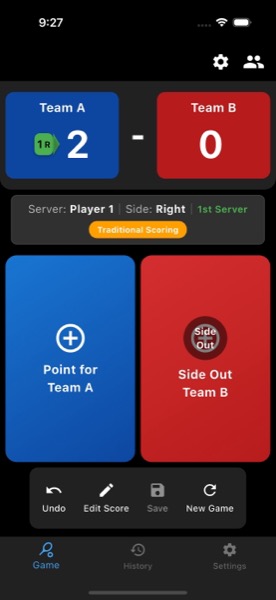
The backyard pickleball game day has become a real thing. The combination of “everyone plays now,” “courts are cheap to set up at home,” and “weekend gatherings need an activity” means more households are hosting friends for afternoon pickleball followed by food and drinks. Done well, it’s one of the best weekend hosting formats — active, social, accommodates wide skill levels, and the food situation is simpler than a sit-down dinner because everyone’s hungry but not famished.
Done poorly, it devolves into mid-game arguments about the score, food that gets cold in the kitchen, and players sneaking off to the cooler instead of playing. Here’s how to host it well.
The Backyard Pickleball Setup
You don’t need a permanent court. Three setup options ranked by cost:
Painters tape and cones (under $30). Use painter’s tape to mark court lines on a flat surface — driveway, sport court, parking lot, large patio. Set up a portable net (the freestanding kind, $80-$150). Tournament-grade play this is not, but for rec play it’s entirely sufficient.
Chalk on driveway (free). If your driveway is flat enough and big enough, sidewalk chalk marks the court. Washes off with garden hose. Some hosts re-chalk weekly during summer.
Roll-out pickleball court mat ($300-$600). Vinyl mat with lines pre-printed. Sets up in 5 minutes, rolls up for storage. Best option for hosts who do this regularly.
Permanent backyard court ($3,000-$15,000+). Concrete pad with regulation surface. Professional installation. Worth it for serious players hosting weekly.
Most hosts start with tape-and-cones, upgrade to roll-out mat after their fourth or fifth game day, and only commit to a permanent court if they’re playing 4+ times per week.
The Food Strategy
The unique constraint of pickleball game day: people play for 60-90 minutes, take breaks, play more, take breaks, and rotate in and out. The food needs to:
- Be ready when people arrive (people are hungry after the drive)
- Hold well at room temperature (no one wants reheated food)
- Be eat-able with one hand (so people can grab between games)
- Not require utensils that have to be set down to play
- Refresh easily mid-event without disrupting play
Three menu approaches that work:
Approach 1: Smash Burger Bar
Hot griddle, smash burgers cooked in batches. Set up a build-your-own bar with buns, lettuce, tomatoes, pickles, condiments, cheese. Eat with one hand, no utensils needed.
Pre-cook patties through about 80% done before guests arrive. Finish to order on the griddle. Plan 2 burgers per person.
Approach 2: Mediterranean Platter
Hummus, baba ghanoush, tzatziki, pita, cut vegetables, olives, feta, marinated artichokes, dolmas. Everything holds at room temperature. Eat with fingers and pita. Crowd-pleasing without serving anything hot.
Add a couple skewers options (chicken souvlaki, lamb kofta) prepared in advance and served at room temperature.
Approach 3: Taco / Burrito Bowl Bar
Slow-cooker carnitas and chicken tinga. Tortillas or rice bowls. Toppings bar with salsa, guacamole, sour cream, cheese, beans, corn.
Slow-cooker keeps meat warm throughout the event. Everyone builds their own when hungry. Refresh meat as needed; toppings replenish during play breaks.
What to Avoid Food-Wise
Three formats that don’t work for pickleball game day:
Multi-course sit-down meals. Players are sweaty and stopping to sit for a full meal kills momentum. Save the dinner format for non-game social events.
Anything requiring two hands and a plate. Pasta dishes, soup, anything requiring careful balance. Pickleball game day food is “grab and graze” not “sit and dine.”
Hot food that won’t hold. Fresh-baked pizza requires reheating; pizza ordered an hour before arrival is cold and disappointing. Pick foods that hold or that can be prepared in batches.
Lots of foods requiring refrigeration mid-event. Things like sushi, raw fish dishes. Risk-free options that don’t need careful temperature management.
The Scorekeeping Problem
Two friends play a pickleball game. Mid-third game, both forget the score. They suggest different scores. The argument starts. The game stops. The third friend who’s waiting to rotate in gets bored.
This happens at every casual pickleball gathering. The scoring system is genuinely confusing in informal play because:
- Three-number callouts (server team score, receiving team score, server number)
- Side switching after every point
- Side-outs that change who calls the score
- First-server-rule at game start (game starts 0-0-2, not 0-0-1)
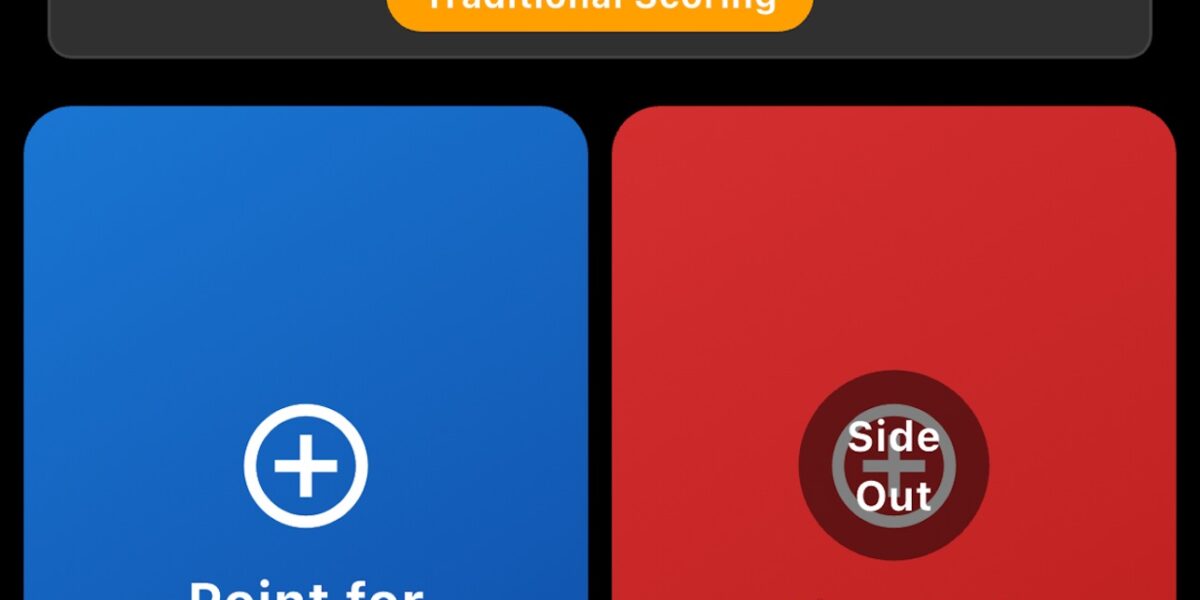
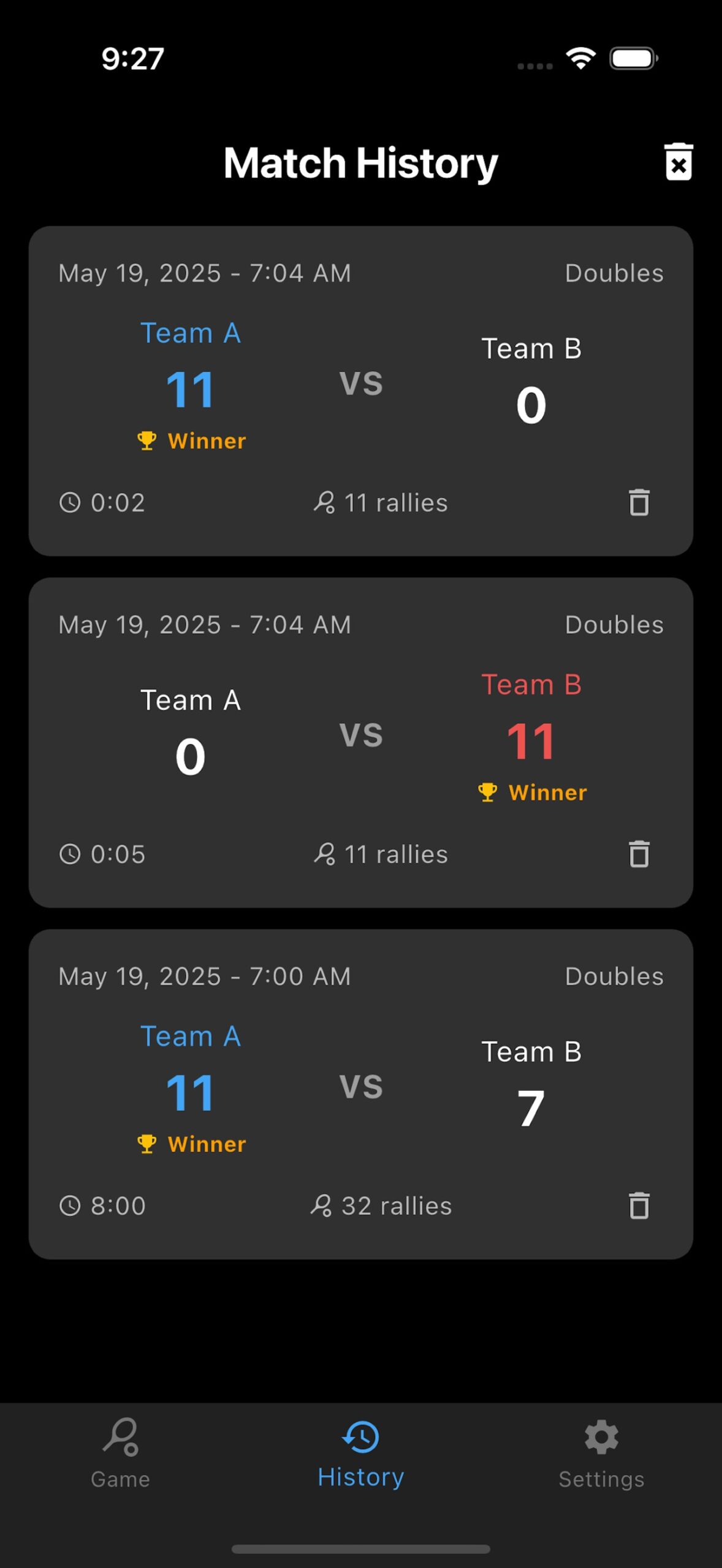
A scorekeeping app on the host’s phone solves this. Tap a button for each point. The app handles the side-out math, server tracking, and game completion automatically.
PICKLEBALL SCOREKEEPERPickleball Pro ScorekeeperScorekeeper appfor the host’s phoneDownload for iPhoneGet it on Google PlayMixing Skill Levels
The reality of backyard pickleball game day: skill levels range from “first time picking up a paddle” to “tournament rated 4.0.” Mixing skill levels in doubles is the standard approach.
Pairing strategies that work:
Strong + weak pairs against each other. Each team has one experienced player and one newer player. Games stay competitive because experienced players carry weaker partners. New players learn from playing alongside stronger partners.
Round-robin rotation. After each game (to 11), partners rotate. Everyone plays with everyone. No team stays together too long; nobody plays only with the strongest or weakest.
Skill-based rotations after warmup. First 30 minutes mixed; after that, sort by skill for more competitive games. Best when host knows the players well.
Avoid: all-strongest team vs all-weakest team. Lopsided games are unfun for both sides.
Court Etiquette for Hosts
Set expectations early so guests know the format:
Games to 11, win by 2. Standard rec game length. Takes 10-20 minutes per game.
Stack the lineup off-court. Players waiting to rotate in stand on the sideline. The host or a designated person tracks who’s next.
Rotate winners stay, losers off. Common format. Whoever lost makes way for the waiting team. Winners stay until they lose.
Alternate: every game rotates regardless of winner. More social, less competitive. Better when skill levels are very mixed and you want everyone to play similar amounts.
Mid-game breaks for refreshments. Communicate the food situation clearly. “Burgers up at 4pm, take a break whenever” works better than “food is ready, come whenever.”
What Hosts Need on Hand
Beyond food, the supply list for hosting:
- 4-6 paddles (guests bring their own but spares help)
- Multiple pickleballs (outdoor and indoor variety; outdoor is the default for backyard)
- Net (portable if you don’t have permanent)
- Court markings (tape, chalk, or mat)
- Phone with scorekeeper app installed
- Towels for sweat
- Sunscreen and water (heat is real, especially on hot pavement)
- Music speaker (low-volume background music sets the vibe)
- Seating for waiting players
- First aid kit (twisted ankles happen)
The Lifestyle Layer
Pickleball game day works as a hosting format because it combines:
- Active social engagement (people are moving, not stuck around a table)
- Skill-democratic (mixing levels is normal)
- Time-flexible (people arrive and leave on their schedule)
- Conversation-rich (between games, players chat naturally)
- Food-friendly (graze-and-play model works)
For hosts looking for alternatives to formal dinner parties, this is a meaningful upgrade. The barrier to entry is lower (no formal table setting), the cost is lower (food costs less than a multi-course meal), and the social dynamics are more relaxed.
The pickleball boom isn’t slowing in 2026. Backyard game days are likely to grow as a hosting format. Worth getting good at hosting them now.
PICKLEBALL SCOREKEEPERPickleball Pro ScorekeeperEnd scoring disputes before they start. Freepickleball scorekeeperwith auto side-out tracking.Download for iPhoneGet it on Google Play


Stay in the loop
Get the latest home cuisine delights updates delivered to your inbox.