 GARDEN PLANNER APPYardSagePlan a garden around your USDA hardiness zone, planting calendar, and what you actually want to cook with.Download for iPhoneGet it on Google Play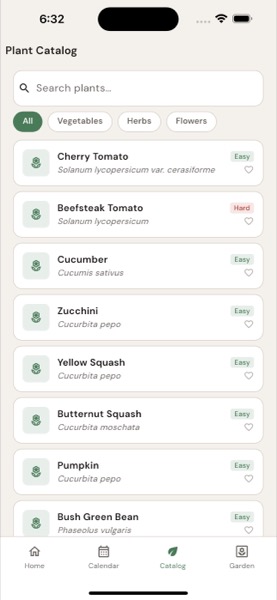
The home cook who decides to garden runs into a specific planning problem most generic gardening books don’t solve: what should I grow based on what I actually cook with? A cookbook that calls for fresh basil weekly doesn’t help if your USDA zone makes basil seasonal. A recipe collection heavy on heirloom tomatoes is frustrating if your growing window is too short for your favorite variety.
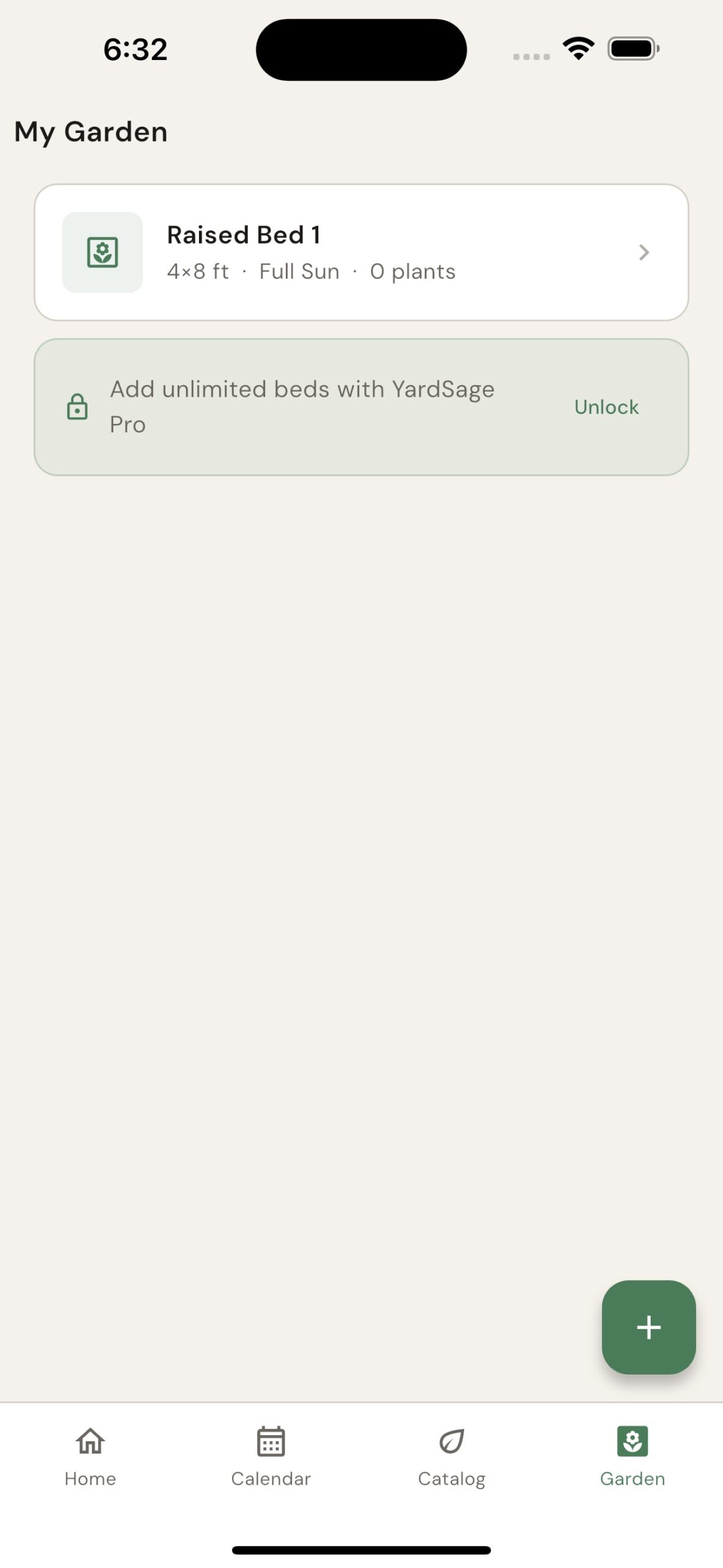
YardSage approaches garden planning from the cook’s side. You tell it your zone, your cooking style, and your available space; it returns a planting plan and calendar tuned to actually producing what you’ll cook with.
How a Garden-Around-Cooking Plan Differs
Traditional gardening apps optimize for plant success — what grows well in your conditions, what’s space-efficient, what’s beginner-friendly. Those are real concerns but they miss the actual outcome a cook is after: ingredients I want to use, ready when I want to use them.
The cook-centric approach asks different questions:
- What ingredients do you cook with weekly that benefit from being fresh?
- What ingredients are you currently buying from the grocery store that have low quality vs garden-grown?
- What recipes do you make seasonally that would be enhanced by garden production timed to them?
- What’s your harvest-to-table cycle? Daily snipping, weekly harvests, or batch processing?
The garden plan then optimizes against these answers. A cook who makes weekly pasta sauce benefits from a tomato variety with continuous production; a cook who batches summer sauce for freezing needs varieties that ripen in bulk.
USDA Hardiness Zone Considerations
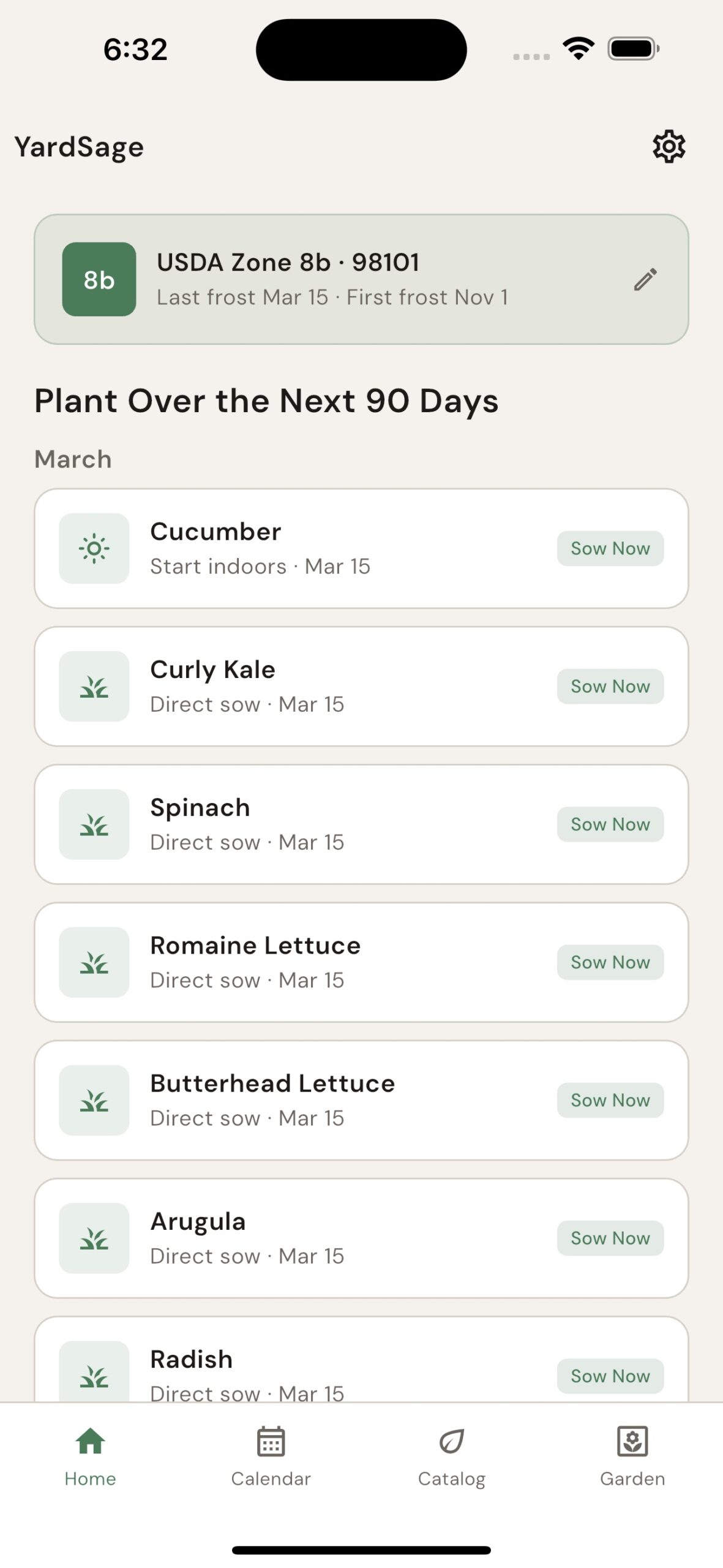
The USDA hardiness zone map defines what survives your winter and produces in your growing season. The app handles this automatically once you enter your ZIP code or detect location. Key zone implications:
Zones 3-4 (cold). Short growing window (90-120 frost-free days). Focus on cool-season crops, fast-maturing varieties, season extension with row covers and cold frames. Basil and heat-loving herbs struggle without protection.
Zones 5-6 (cool temperate). Most US population centers. 150-200 frost-free days. Wide variety viable. Most home cookbooks assume this zone range.
Zones 7-8 (warm temperate). Long season. Two harvest cycles possible for some crops (spring and fall plantings of cool-season varieties).
Zones 9-10 (subtropical). Year-round growing for many crops. Mediterranean herbs thrive. Cool-season crops grown in winter; heat-tolerant varieties in summer.
Zones 11+ (tropical). Continuous production. Different pest pressures. Different planning approach.
YardSage adapts its recommendations to your zone automatically.
The Kitchen-Garden Integration Pattern
The most useful workflow for home cooks:
1. Inventory what you cook. Spend a week noting every ingredient you used. The list usually surprises people — 80% of cooking pulls from 25-30 ingredients.
2. Filter to “would benefit from fresh.” Onions, garlic, and potatoes from the grocery are mostly fine. Tomatoes, herbs, leafy greens, and many other ingredients have a meaningful fresh-vs-storage quality gap.
3. Map to growability in your zone. Some ingredients (avocados, citrus) don’t grow in cold climates. Substitute or accept the limitation.
4. Plan production timing against cooking patterns. Tomatoes peak in August; salads peak in spring and fall. Plan plantings against when you want the harvest.
5. Size the garden to actual use, not maximum production. A common mistake: planting too much and watching surplus rot or get given away. Better to plant for steady production matching weekly use.
GARDEN PLANNER APPYardSagePlan your garden against what you cookDownload for iPhoneGet it on Google PlayHigh-Value Crops for Home Cooks
The cooking-quality-vs-store-quality gap is largest for:
Tomatoes. Vine-ripened heirloom tomatoes have flavor that grocery-store tomatoes (picked unripe for shipping) cannot match. The #1 reason home cooks start gardens.
Fresh herbs. Basil, cilantro, parsley, dill, mint — bunches from the grocery often wilt before half is used. Snipping from a kitchen-window plant produces fresh herbs daily at zero waste.
Lettuces and salad greens. Fresh-picked lettuce has crispness and flavor that bagged greens lack. Easy to grow, fast harvest cycle.
Peppers (hot and sweet). Garden-grown peppers have flavor complexity beyond store varieties. Many heirloom and ethnic varieties simply aren’t available at grocery stores.
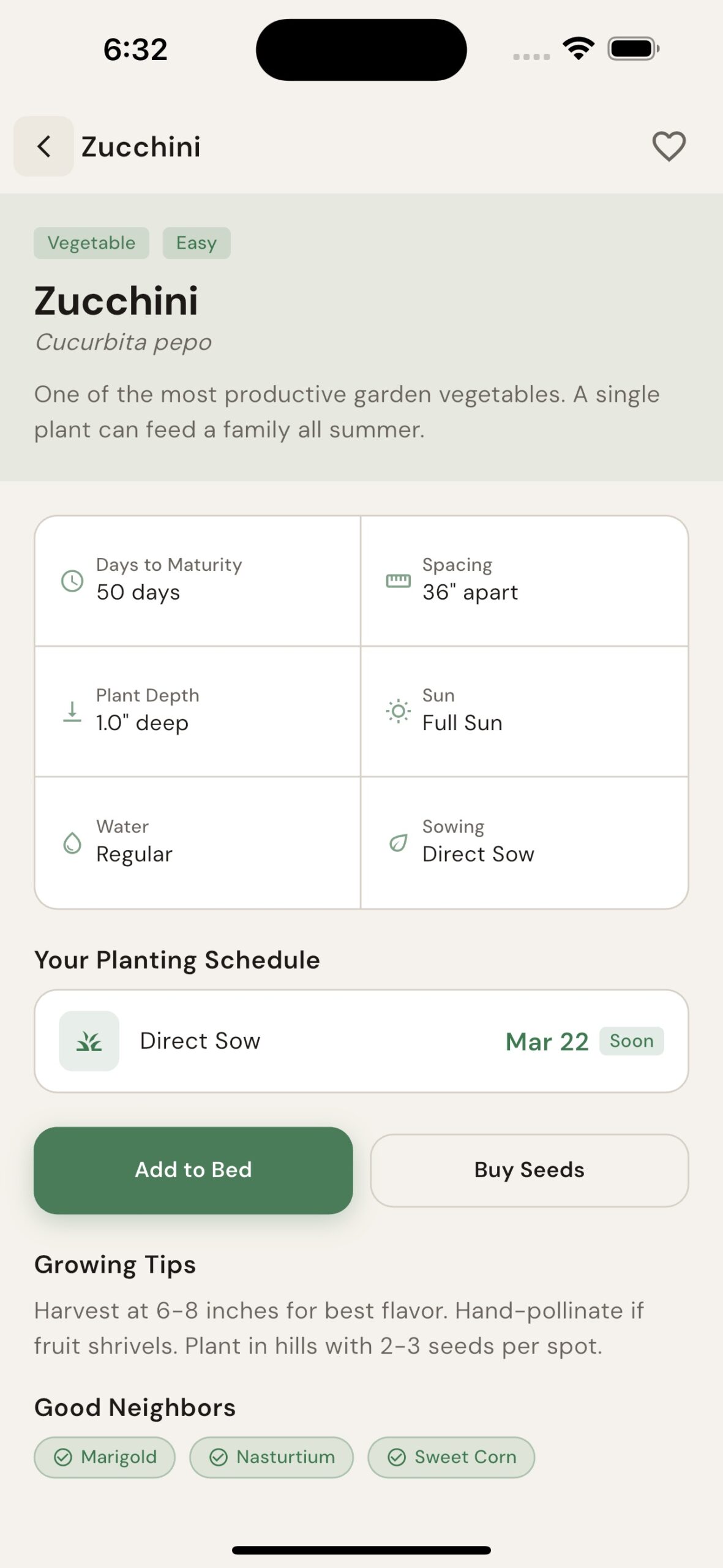
Cucumbers and zucchini. Productive plants, peak-season abundance. Just be careful not to plant too many.
Beans. Snap beans and shelling beans both benefit from fresh harvest. Dried beans store well so worth growing if space allows.
Garlic. Garlic grown for 9 months produces heads with substantially more flavor than commercial garlic. Plant in fall, harvest in summer.
What’s Less Worth Growing
For most home cooks, these are better bought than grown:
Onions and potatoes. Store well, grocery quality is fine, take up space without large fresh-quality gap.
Carrots and beets. Storage crops; gardening provides some quality boost but not dramatic.
Corn. Space-intensive for the yield. Better as occasional from farmer’s market.
Most fruits requiring trees. Apple, peach, citrus trees take years to produce and require ongoing pest management. Berry bushes (blueberries, raspberries) are more home-cook-friendly.
This isn’t a rule — passionate gardeners grow all of these. It’s about cooking-impact vs space-and-time investment for the typical home cook.
Garden Planning Through the Year
A typical kitchen-garden cycle:
January-February: Plan. Order seeds. Start indoor seedlings for warm-season crops (tomatoes, peppers).
March-April: Plant cool-season crops outdoors (lettuce, peas, spinach). Harden off indoor seedlings.
May-June: Transplant warm-season crops after last frost. Begin succession planting of greens.
July-August: Peak harvest. Tomatoes, peppers, beans, squash. Process surplus (canning, freezing, drying).
September-October: Fall planting of cool-season crops (lettuce, kale, broccoli). Garlic planted for next year.
November-December: Garden cleanup. Cover crops or compost. Plan refinements based on what worked.
The app produces a calendar customized to your zone and your specific crop selection. Notifications for planting dates, harvest timing, and seasonal tasks.
Container Gardening Variant
For home cooks without a yard:
Sunny windowsill or apartment balcony: Herbs (basil, parsley, chives), small lettuces, dwarf tomato varieties, small peppers. Limited but useful.
Larger balcony or patio: Container tomatoes, peppers, beans up vertical structures, salad greens. Surprising productivity in limited space.
Small rental yard: Raised beds (4×8 or 4×4) produce substantial volume. Easier soil management than in-ground.
The app adapts recommendations to available space. A 50 sq ft container setup gets different recommendations than a 500 sq ft in-ground garden.
Cooking-Specific Garden Plans
Some popular cooking-focused garden plans the app templates from:
Italian kitchen garden. Tomatoes (heirloom + paste varieties), basil, oregano, rosemary, parsley, garlic, peppers (sweet and hot), eggplant. Focus: pasta sauces, pizza, antipasto.
Mexican kitchen garden. Tomatoes, peppers (jalapeño, serrano, poblano), tomatillos, cilantro, onions, garlic. Focus: salsas, tacos, mole.
Asian kitchen garden. Asian greens (bok choy, napa cabbage), scallions, peppers, herbs (Thai basil, lemongrass if zone permits), cucumbers. Focus: stir-fries, salads, ferments.
Mediterranean kitchen garden. Herbs (rosemary, thyme, sage, oregano), tomatoes, peppers, eggplant, beans, olives if zone permits. Focus: roasted vegetables, herb-forward cooking.
Salad garden. Multiple lettuce varieties, arugula, radishes, cucumbers, scallions, herbs. Focus: daily salads with variety.
The Cook’s Garden as Practical Project
For home cooks considering a garden, the practical considerations:
Time investment: 1-3 hours per week during growing season. Less during winter.
Money investment: $200-500 first year (soil, raised beds if needed, tools, seeds). Lower in subsequent years.
Learning curve: First year usually has surprises and disappointments. Year 2-3 produces consistent results.
Return: Better ingredients than grocery, satisfaction of growing food, integration with cooking practice.
The return isn’t usually financial — backyard tomatoes cost more in time-equivalent than grocery tomatoes. The return is ingredient quality and the cooking-from-the-garden lifestyle.
GARDEN PLANNER APPYardSageYardSage— Garden Planning for CooksDownload for iPhoneGet it on Google Play
Stay in the loop
Get the latest home cuisine delights updates delivered to your inbox.