Why Your Rice Turns Out Mushy Every Time
Rice has gotten complicated with all the conflicting advice flying around. Use 2:1 water. No, use less. Rinse it. Don’t rinse it. Cover it. Stir it. Everyone has a system and somehow everyone’s system is the definitive one. As someone who spent three full years making genuinely terrible rice — not slightly off, not acceptable-enough rice, but rice that dissolved into paste the moment a spoon touched it — I learned everything there is to know about what actually goes wrong. Today, I will share it all with you.
The turning point came when I stopped treating mushy rice as one problem and started treating it as five. Once I did that, the fixes got obvious fast. So, without further ado, let’s dive in.
You Used Too Much Water for That Rice Type
This is the culprit in roughly 60% of mushy rice situations. The universal 2:1 water-to-rice ratio is — and I want to be direct here — wrong for most rice you’ll actually cook.
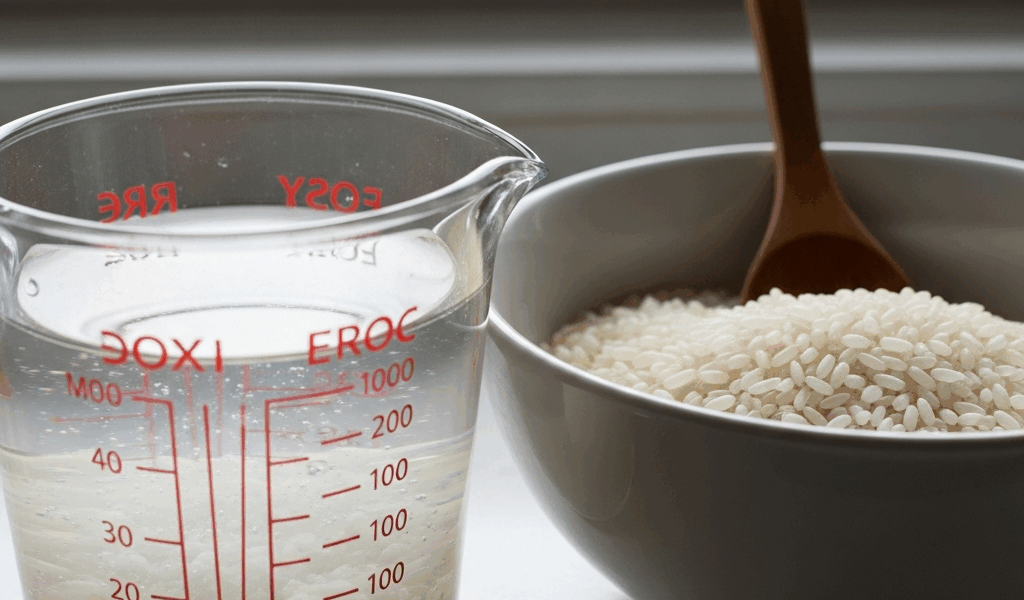
Long-grain white rice absorbs somewhere between 1.5 and 1.75 cups of water per cup of rice. Short-grain and sushi varieties need closer to 1.25 cups. Basmati runs drier still — 1.5 cups maximum, and plenty of people do fine at 1.25. Brown rice is the outlier that actually needs more water, because the bran layer takes longer to hydrate and needs the extra moisture.
I made this mistake for years with jasmine rice specifically. Used the 2:1 ratio I’d seen everywhere online and kept ending up with something that behaved like a loose risotto. Switching to 1.5 cups per cup of jasmine rice fixed it immediately. The grains stayed separate. They had actual texture. That was probably year two of my rice disaster era.
Here are the ratios worth knowing: long-grain white (1.5:1), jasmine (1.5:1), basmati (1.5:1), short-grain (1.25:1), sushi rice (1.2:1), brown rice (2:1). Write them on a sticky note and put it on your cabinet door. Measure with the same vessel every time — a standard measuring cup, a small bowl, whatever you have. Stop guessing.
You Skipped Rinsing and Paid the Price
Probably should have opened with this section, honestly. Surface starch on unrinsed rice is invisible right up until it turns your cooking water a milky white. That starch becomes a gluey coating during cooking — it’s what makes your finished rice clump together and lose any sense of individual grain structure.
But what is rinsing actually doing? In essence, it strips away the loose starch sitting on the outside of each grain. But it’s much more than that. Rinsing exposes the actual grain surface so water can penetrate evenly and heat can cook the interior without the exterior turning soft first. The “rinsing removes nutrients” concern is — another myth worth discarding.
One genuine exception exists: sushi rice. Don’t rinse it. The starch is load-bearing for the sticky texture you need. Everything else — jasmine, basmati, long-grain white, brown — rinse it.
Here’s the method. Put your rice in a fine-mesh strainer — something like the OXO 3-piece strainer set works fine, around $15 at most kitchen stores — and hold it under cold running water. Stir with your fingers while water runs through. It’ll look cloudy at first, then gradually clear up. Stop when the water runs clear or nearly clear. Takes maybe 30 seconds. That’s genuinely it.
You Lifted the Lid Too Early or Too Often
Steam is actively working during the entire cooking phase. Lift the lid and you release it — temperature drops instantly, cooking stalls, and the condensation that escapes drips back onto the rice unevenly. You get wet pockets. You get mush in some spots and underdone grains in others.
I’m apparently a chronic lid-lifter and that habit wrecked my rice for years while leaving my pasta perfectly fine. Lid-lifting works for pasta. It is catastrophic for rice. Don’t make my mistake.
My mom set a timer on her phone and walked away entirely. Never opened the pot once during cooking. Her rice was always perfect — separate grains, right texture, nothing stuck together. Mine was consistently terrible because I was convinced cooking required supervision. It doesn’t. Not for rice.
Set your timer. Go do something else. If your stove runs hot and you’re worried about burning, lower the heat — but leave the lid where it is.
Your Heat Was Too High After the Boil
Here’s the sequence that actually works: bring the pot to a boil, let it go for maybe a minute or two, then drop the heat as low as your stove allows. Barely any visible movement at the water’s surface. A gentle simmer — not a rolling boil, not even a moderate bubble. Just heat.
High heat the whole time breaks down the exterior of each grain before the interior cooks through. The outside turns soft and starts falling apart. The inside is still firm, sometimes still hard. You end up with this strange split texture where half the grain is mush and half is undercooked. That’s what uncontrolled heat does.
Electric stove users — this is a specific note for you. The burner retains heat after you turn it down. On my old Frigidaire coil stove, turning the dial to “low” didn’t actually drop the temperature fast enough. I had to physically move the pot to a different burner set to low and let the carry-over heat from the original burner dissipate. Took me an embarrassingly long time to figure that out.
You Skipped the Rest and Went Straight to Serving
Ten minutes. Lid on. Off the heat. This step — which takes zero effort — is the one most people skip, and skipping it explains a huge percentage of mushy, uneven rice.
But what is the rest period actually doing? In essence, it’s letting steam redistribute evenly through the pot. But it’s much more than that. The bottom layer, which has been closest to the heat, holds excess moisture. The top layer hasn’t gotten full steam penetration yet. Those 10 minutes off heat equalize everything — moisture distributes, texture firms up, grains that were slightly soft tighten up a bit.
Skip this and you serve uneven rice. The bottom is wet. The top is inconsistent. Some grains are mushy, some are hard. It’s the worst possible result from a pot that was otherwise cooking correctly.
When the cooking timer goes off, move the pot off the burner. Keep the lid on. Set another timer — 10 minutes, nothing fancy. When it goes off, remove the lid, grab a fork, fluff gently, and serve. That’s what makes rice endearing to us home cooks who just want it to work consistently. It’s forgiving once you understand the rest step.
One of these five issues is why your rice keeps going wrong. Most people are dealing with the water ratio, the rinsing, or the rest period — fix any one of those and you’ll notice a difference immediately. Fix all five and you’ll wonder why you ever found rice difficult.


Stay in the loop
Get the latest home cuisine delights updates delivered to your inbox.