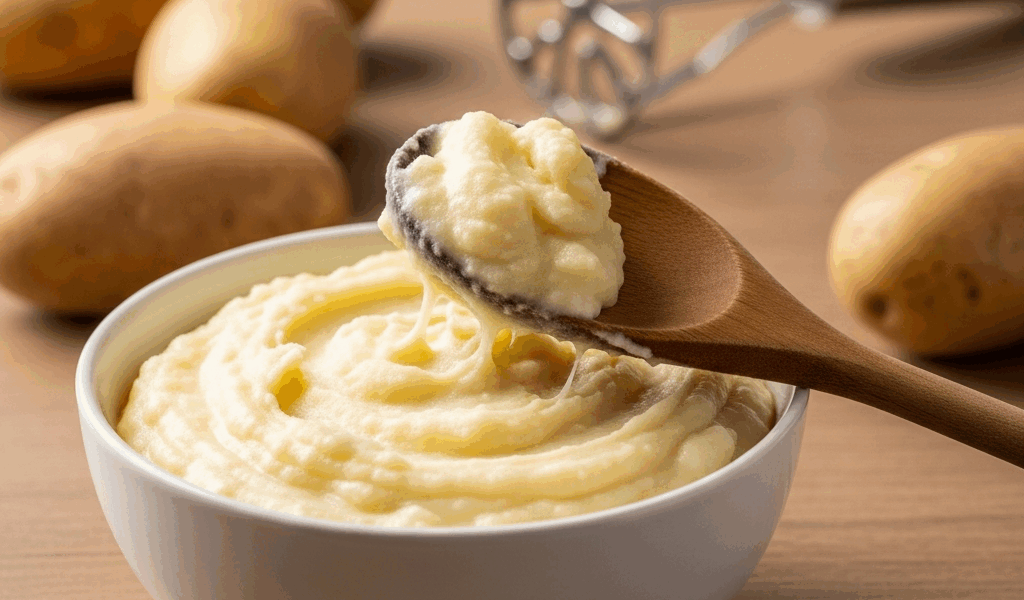
What Makes Mashed Potatoes Turn Gluey
Mashed potatoes have gotten complicated with all the starch physics flying around. Here’s what’s actually happening: potatoes are packed with starch granules suspended in cell walls. When you cook them, the granules absorb water and swell. Break open those cells too aggressively — or add liquid too quickly — and you rupture thousands of starch granules at once. All that released starch binds with moisture and creates a paste. It’s literally like making glue. I learned this the hard way one Thanksgiving when I used a food processor on my batch, then wondered why I was serving something that could patch drywall.
The three biggest culprits are overworking with mechanical tools, adding cold liquid directly to hot potatoes, and choosing the wrong potato variety. Each one floods the mixture with exposed starch. The science is simple but ruthless. Mash gently. Add liquid slowly and at the right temperature. Pick starchy varieties wisely. Get one of these wrong, and you’re fighting against chemistry itself.
The 4 Most Common Causes and How to Spot Each One
1. Using a Food Processor or Electric Mixer
Symptom: Your potatoes look smooth but feel dense and pasty on the tongue. They might even have a slightly gluey sheen.
Why it happens: A food processor blade or electric mixer is aggressive beyond belief. Twenty seconds of processing causes more cell rupture than five minutes of hand-mashing. The starch has nowhere to go except into solution with your liquid, creating that gummy texture that coats your mouth like paste.
How to avoid it: Use only a hand masher, a ricer, or a fork. Period. These tools are slower, gentler, and give you actual control over what’s happening. If your potatoes look like cement within seconds of mashing, you’ve overworked them. Stop immediately and don’t touch them again.
2. Adding Cold Liquid Too Fast
Symptom: The potatoes started fine but became progressively gummier as you stirred in milk or butter. The temperature drops noticeably.
Why it happens: Cold liquid hitting hot potatoes creates rapid starch gelatinization — at least if you’re not careful about it. The starch granules absorb the liquid faster than they normally would, and the sudden temperature change causes them to swell erratically. You end up with a slurry instead of airy mash.
How to avoid it: Warm your milk, cream, and butter to at least 160°F before adding. Use a thermometer if you have one. Add it in small amounts — a quarter cup at a time — while folding gently rather than stirring. This lets the potatoes absorb gradually without the shock.
3. Choosing High-Starch Potatoes
Symptom: You followed the technique perfectly but still ended up with a dense, glue-like result. The texture is almost mealy and thick.
Why it happens: Russet potatoes are roughly 20% starch by weight. Yukon golds sit around 17%. Red potatoes? Closer to 14%. That 6% difference matters enormously. If you use russets and overwork them even slightly, those starch granules dominate the mixture. Waxy potatoes like reds have thicker cell walls that resist rupture better, making them more forgiving of your mistakes.
How to avoid it: Use Yukon golds or red potatoes for mashed applications. They’re naturally starchy enough to bind the mixture but forgiving enough to survive minor technique mistakes. Save russets for baked potatoes or fries where starch is actually an asset.
4. Overworking the Mixture
Symptom: Your potatoes turn from fluffy to thick and heavy right before your eyes. Each stroke of the masher makes it worse.
Why it happens: Hand-mashing for more than ninety seconds starts releasing significant amounts of starch. Beyond two minutes, you’re guaranteed a gluey result. It’s the cumulative effect of repeated mechanical stress on cell walls — nothing mysterious happening here, just basic physics.
How to avoid it: Mash for thirty to sixty seconds maximum. Your potatoes don’t need to be perfectly smooth. Small lumps are better than starch overload. If they’re still chunky after one minute, accept the texture. Lumpy but light beats smooth and gluey every single time.
Emergency Fixes If Your Mashed Potatoes Are Already Ruined
Probably should have opened with this section, honestly. If you’re reading this while staring at a bowl of potato cement, you need actual options right now.
Cold Butter Rescue
Cut cold butter into quarter-inch cubes — about two tablespoons per cup of ruined potatoes. Fold (don’t stir) the cold butter in gently. The fat coats the starch granules and loosens the glue-like binding. This works best if your mashed potatoes are still warm. The butter won’t fully fix a disaster, but it’ll break up the gummy texture noticeably. I’ve salvaged batches this way with maybe a 70% success rate, which isn’t terrible when you’re desperate.
Whipped Cream Folding
Whip heavy cream to soft peaks — takes about three minutes with a whisk. Fold it into your gluey potatoes in two additions. The air bubbles and fat disrupt the starch network. This works surprisingly well because you’re literally introducing structure that competes with the glue texture. Use about one cup of whipped cream per two cups of ruined potatoes. Downside: your potatoes now taste like dessert, and they don’t hold heat well.
The Strain-and-Re-Beat Method
This is nuclear option territory. Place the gluey potatoes in cheesecloth over a bowl and let them drain for ten to fifteen minutes. You’re removing excess moisture that’s making everything worse. Then return them to a warm bowl and beat gently with cold butter folded in. You’ll lose some creaminess, but you’ll regain texture. Success rate is maybe 50%, and you lose time you don’t have at dinner.
Honest take: if your potatoes are already gluey, cold butter folding is your best bet. It takes two minutes and actually improves the dish. The other methods are desperation moves you try when nothing else works.
The Right Technique to Keep Them Light and Fluffy
Start with two pounds of Yukon gold potatoes. Cut them into two-inch chunks — uniform size matters because it ensures even cooking. Boil in salted water (one teaspoon of salt per quart) until a fork slides through with zero resistance. About fifteen to eighteen minutes, depending on your stove.
Drain immediately in a colander. Don’t let them sit wet. Return them to the pot and let them steam dry for two minutes. This evaporates surface moisture that would dilute your mash later.
While they steam, warm one cup of whole milk and four tablespoons of butter together in a small saucepan until the butter melts completely and the temperature hits 160°F. Use a thermometer if you have one. If not, listen for a gentle simmer.
Place a warm bowl (run hot water in it first, then dump it) next to your pot. Transfer the drained potatoes to the warm bowl. Using a hand-held ricer or a sturdy hand masher, break down the potatoes with firm but quick strokes. Twenty strokes should do it. They don’t need to be completely smooth — texture variation is actually fine.
Now add your warm milk-butter mixture one quarter-cup at a time. Fold it in gently using a rubber spatula instead of stirring. Folding incorporates the liquid without additional mechanical stress on those starch granules. Stop adding liquid when the potatoes reach your desired consistency. You might not need all of it.
Season with salt and white pepper — it’s less visible than black pepper if you care about appearance. Serve immediately. Do not reheat in a microwave (too aggressive) or on direct heat (too uneven). If needed, rewarm in a double boiler with gentle stirring.
Potato Varieties Matter More Than You Think
Russet potatoes contain roughly 20% starch and 2% protein. They’re mealy, fluffy when cooked properly, and absolutely brutal when overworked. One extra minute of mashing turns them into paste. That was my mistake at Thanksgiving.
Yukon gold potatoes sit at 17% starch and 2% protein, but their yellow color comes from carotenoids — plant compounds that affect how the starch behaves. They’re naturally buttery, hold together better, and forgive technique mistakes. This is your safest choice for mashed potatoes, honestly.
Red potatoes contain only 14% starch and 2% protein. They’re waxy, which means their cell walls resist breaking down. You can almost beat them into submission before they turn gluey. Trade-off: they never get quite as fluffy as russets, but the texture is always creamy rather than gluey.
For mashing, texture comes down to cell wall integrity and starch concentration. Yukon golds and reds have thicker cell walls — that matters. Use them, and your technique flaws become forgivable. Use russets without perfect technique, and you’re fighting starch chemistry every step of the way.


Stay in the loop
Get the latest home cuisine delights updates delivered to your inbox.