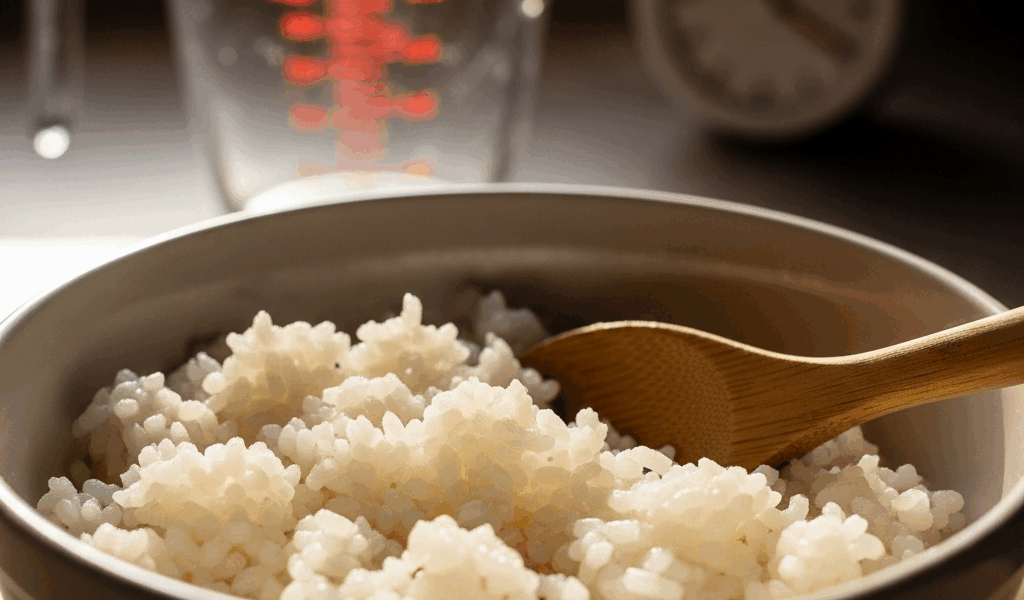
Why Your Rice Turns Out Mushy and Overcooked
Rice cooking has gotten complicated with all the conflicting advice flying around. I’ve stood in front of that pot more times than I’d care to admit, watching what should’ve been perfect grains turn into porridge. The thing is, I used to think mushy rice was just something that happened to careless people. Turns out, I was wrong. It’s almost always one of three things—too much water, too much heat, or cooking it too long. Sometimes all three at once. This article will show you exactly which mistake you’re making and how to fix it immediately.
The Most Common Culprit Is Your Water Ratio
Let me start here because this is where most people fail. The standard water-to-rice ratio for white rice is 1:2 by volume. One cup of rice. Two cups of water. Write it down. Tape it to your cabinet.
I used to eyeball this. Genuinely. I’d pour rice into a pot, add water until it “looked about right,” and wonder why it consistently turned into porridge. Here’s the problem: even a quarter cup of extra water fundamentally changes how the rice cooks. Too much water means the rice absorbs more than it should. Those individual grains swell past their natural breaking point. The starch gelatinizes completely and the grains lose their structure entirely.
What happens chemically is straightforward. Rice starches need water to soften—but only a specific amount. When you add excess water, the rice keeps absorbing even after the starch has fully hydrated. The grain becomes waterlogged. It breaks down. Mush.
Use a measuring cup. A real one—not a coffee mug or cereal bowl. I learned this the hard way after buying a $12 digital kitchen scale. Rice is 185 grams per cup. Water is 240 milliliters per cup. Be precise about it and you get consistent results. Don’t be precise and you don’t.
White basmati or jasmine rice? Use slightly less water—a 1:1.5 ratio actually works better because these varieties are longer-grain and more delicate. Brown rice and short-grain varieties absorb more water and need 1:2.5 instead. Most people don’t adjust for rice type, and that’s another reason their pot turns into a starchy disaster.
Heat Level and Cooking Time Make or Break Texture
Even with the right water ratio, you can still wreck rice with bad heat management. Probably should have opened with this section, honestly, because heat mistakes are just as common as water mistakes.
The standard method: bring everything to a boil with the lid off, then reduce heat to low, cover, and let it sit for 15-18 minutes. That’s the whole process. Fifteen to eighteen minutes. Not ten. Not twenty. Definitely not “until it looks done.”
Where people mess up is cranking the heat to high and leaving it there. A rolling boil with the lid off for the entire cooking time creates intense steam circulation. That forces extra water into the rice faster than it should go in. By the time you cover it and reduce the heat, you’ve already overcooked the surface of the grains. The edges get mushy while the insides stay slightly firm. Uneven. Unpleasant.
The right sequence is critical. Boil hard for about 1-2 minutes—just until the water comes to a rolling boil. Then immediately reduce the heat to the lowest setting your stove can manage. Gas stoves can go surprisingly low. Electric stoves hold heat longer, so you might need to be even more conservative. Cover the pot with a lid that fits snugly. A loose-fitting lid lets steam escape, which extends cooking time and requires more water absorption.
Once it’s covered on low heat, leave it alone for 15-18 minutes for white rice. Brown rice needs 30-35 minutes. Don’t lift the lid. I cannot stress this enough. Every time you lift that lid, you release steam, disrupt the cooking process, and add 1-2 minutes to the total cooking time. Just don’t do it.
When the timer goes off, remove the pot from heat and let it rest for 5 minutes with the lid still on. This is not optional. This resting period lets the residual heat distribute evenly and lets the grains firm up slightly. It’s the difference between mediocre rice and genuinely good rice.
The Rice Type Matters More Than You Think
Not all rice is the same. This is fundamental, and most home cooks ignore it completely.
White basmati rice is long-grain and naturally drier. It needs 1:1.5 water ratio, 15 minutes on low heat—exactly as I mentioned. Jasmine is similar but slightly stickier, so 1:1.75 works. Regular long-grain white rice handles 1:2 just fine. Short-grain rice—like sushi rice or arborio—is starchy and needs 1:2.5 water because it absorbs more aggressively.
Brown rice has a tougher bran layer and needs 30-35 minutes of cooking time plus that 1:2.5 water ratio. Cook brown rice like white rice and it comes out crunchy and undercooked on the inside. People then scramble to add more water and cook longer. Then it turns mushy. That’s a trap.
Parboiled rice (also labeled “converted rice,” like Uncle Ben’s) is partially cooked at the factory. It needs less water—1:1.75 is sufficient—because some starch has already been gelatinized. Treat it like regular white rice with a 1:2 ratio and it absorbs that extra water and turns soft.
The difference between rice types isn’t subtle. It’s the entire reason your instincts fail you. You learned on white basmati at someone’s house. Then you bought short-grain rice and used the same method. Mushy results. You think you’re doing something wrong, but you’re just using the wrong ratio for the rice type.
Quick Fixes if Your Rice Is Already Mushy
If you’re staring at a pot of overcooked rice right now, here’s what you can actually do.
Spread it out on a large, flat tray or baking sheet in a single layer. Let it air-dry for 10-15 minutes at room temperature. This won’t restore the texture completely, but it will firm up the surface and make it less soupy. If the rice is completely waterlogged and falling apart, this won’t help much.
Use it for fried rice. Mushy rice is actually better for fried rice than fresh rice because it won’t clump together as badly when you stir-fry it with oil, eggs, and vegetables. This is the salvage option I use most often. A bad batch becomes a different dish entirely. Soy sauce, sesame oil, frozen peas, scrambled eggs—suddenly nobody remembers that the rice was overcooked.
The honest truth: if your rice is completely broken down into a paste, you can’t fix it. You can’t un-cook rice. You can only minimize the damage with what you have left. Don’t waste energy trying to resurrect it. Start fresh and use the correct ratio next time.
How to Get Perfect Rice Every Time
The winning formula is simple: correct water ratio for your specific rice type, boil then reduce immediately to low heat with lid on, 15-18 minutes for white rice without peeking, 5-minute rest period after heat is off.
That’s genuinely it. Master these four things and your rice will be consistently good. Not sometimes good. Consistently good.
The mistakes are all avoidable. Measure your water. Know your rice type and adjust the ratio accordingly. Bring it to boil, reduce heat immediately, cover, and leave it alone. Let it rest. Do these things every single time and you’ll never have mushy rice again.
Rice seems simple, but it’s actually one of the most precise dishes in home cooking. The margin for error is small. A quarter cup too much water. Two extra minutes of cooking. The lid left off by accident. Each one of these pushes you toward mush. Stack them all together and you’re guaranteed failure. But get them all right—and they’re all easy to get right—and you get perfect rice. Every time.

Stay in the loop
Get the latest home cuisine delights updates delivered to your inbox.